
Before You Buy: Engineering & Regulatory Due-Diligence for Acquiring Aging Wastewater Plants
Private utility growth often begins with acquiring a master-planned community, resort, or mixed-use development—along with its legacy wastewater treatment plant. But the deal only pencils out if you know exactly what you’re buying in terms of wastewater infrastructure, regulatory compliance, and the long-term viability of the wastewater system.
So, how do you know?
Why Due Diligence Must Go Deeper Than ‘It’s Working Today’
Most sellers provide an asset list, average flow data, and a folder of old lab results. That’s not enough.
A treatment plant can appear to run “fine” today while also hiding seven-figure liabilities that surface the moment you inherit the permit. We recommend structuring discovery into three pillars—physical plant assets, regulatory status, and true demand—so utilities can accurately price risk and negotiate from a position of strength during the acquisition.
What’s Really in the Ground?
Process & Age
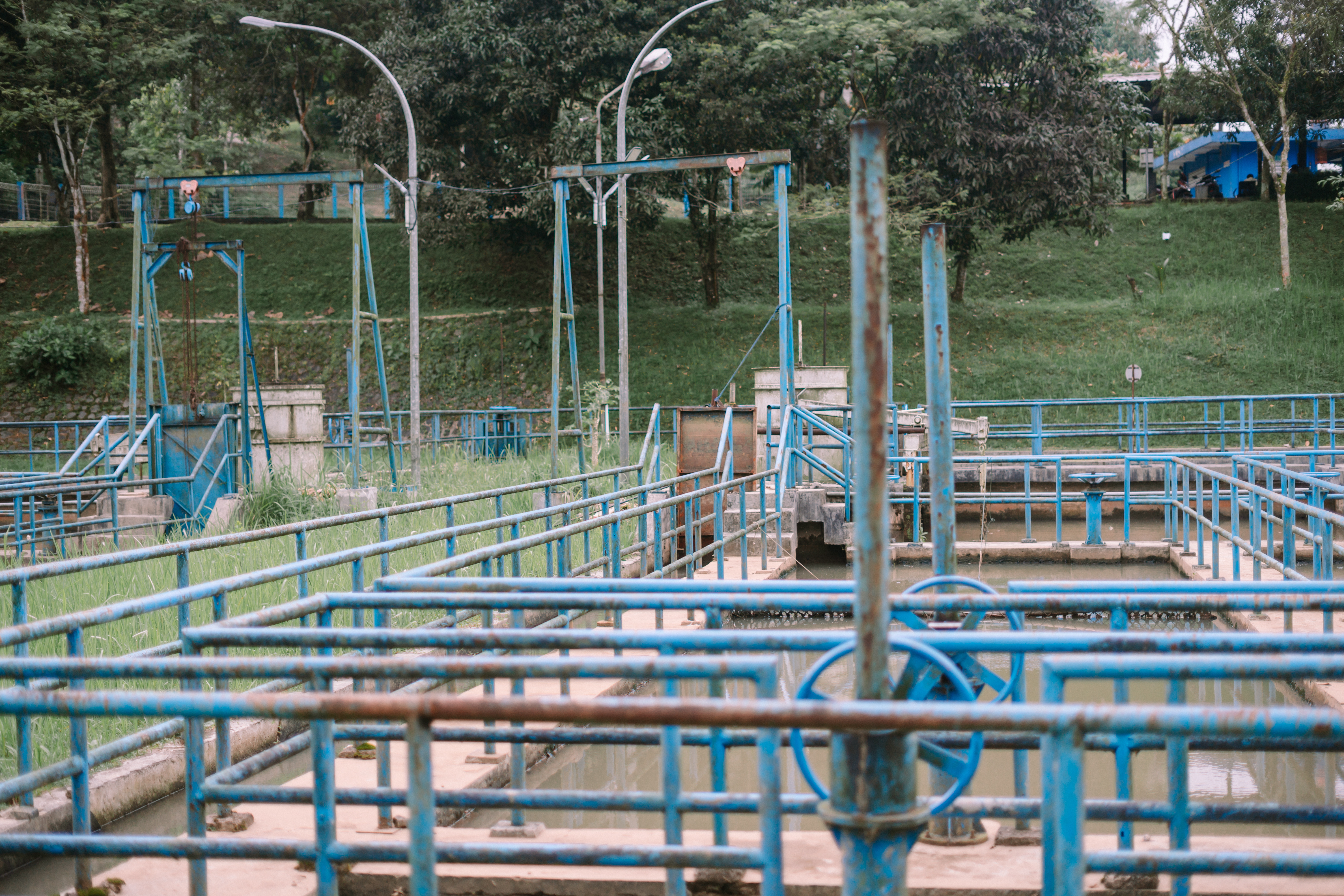
Take nothing on faith. Walk every basin. Open every cabinet. If you find an aerated lagoon or a 1990s-vintage sequencing batch reactor (SBR), assume the following:
- Manufacturing support is likely minimal.
- Spare parts may be custom-fabricated or refurbished.
- Sensors might be limited.
- You’ll likely be hand-grabbing samples rather than trending water quality data digitally.
- Safety codes and environmental protection standards have evolved. Confined-space entry, fall-protection, and arc-flash standards may require immediate upgrades.
Practical tip: Bring a portable dissolved-oxygen (DO) probe and field turbidimeter to validate the seller’s lab results in real time.
Structural Health
Hairline cracks and deteriorated liners might seem minor but can allow groundwater intrusion (and ruin nutrient removal by short-circuiting hydraulic retention time).
Scope every return line with a camera. A single buried 90-degree elbow clogged by rags can knock an entire clarifier offline. Watch out.
Controls & Automation
If blowers are still controlled by mechanical timers, expect constant nutrient-limit firefighting. Confirm that:
- The programmable logic controller (PLC) speaks your SCADA’s language.
- The historian can export CSV data to your corporate data lake.
Retrofitting automation later costs far more than bundling for it during acquisition .
The Regulatory Baseline
Current Permit & Violation History
Pull five years of Discharge Monitoring Reports (DMRs). Flag any upward trend; regulators will. If BOD or ammonia has hovered even somewhat close to the limit, assume increased scrutiny from the Environmental Protection Agency or your state equivalent.
Here’s your opportunity to shine as the new utility in town.
What’s Coming Next
Understand your state’s evolving oversight rules on nitrogen and phosphorus discharge limits.
Florida, Georgia, and North Carolina have already published draft rule revisions that push down Total Nitrogen (TN) and Total Phosphorus (TP) in nutrient-sensitive basins. Very few lagoons or basic SBRs can meet those thresholds without tertiary membranes or chemical polishing.
Upgrading a lagoon to meet stringent 0.3 mg/L TP may require alum feed + sand filters + UV disinfection—a capital outlay that rivals a full MBR replacement. Still, it might retain the existing footprint where an MBR could save you serious space.
Capacity vs. Real Demand
Peak-Flow Reality Check
Download flowmeter logs and graph 15-minute intervals for six months if possible. You’ll likely find sharp spikes at 7 a.m. (shift changes) or even weekend surges at a ski resort or other hospitality-rich site.
A wastewater treatment facility rated for 0.2 MGD that spikes to 0.4 MGD for two hours can overflow a lagoon or wash solids over a clarifier weir. Time for an upgrade to ensure water treatment reliability.
Load Composition
- Distribution hubs: High BOD and variable pH from truck-wash bays.
- Resorts: Surfactants and FOG from spas and commercial kitchens.
- Mountain lodges: I&I doubles flow during snowmelt; elevated salinity from road-salt runoff.
Design your equalization tank- or choose your MBR – accordingly.
Future Expansion
Study the master plan. If future phases include a hotel tower or data-center pod, verify:
- Easements exist for additional wastewater treatment service trains
- Electrical capacity and blow-down lines are stubbed in.
Economic development is always in motion. Otherwise, plan for a compact MBR retrofit; you can add 50–100% capacity without expanding the wastewater plant footprint.
Conclusion: Price Risk, Negotiate Smart
Document every deficiency in an Engineering Conditions Report. Quantify upgrade costs and use that number to negotiate purchase price or escrow.
Skipping this work invites post-closing CapEx shock.
By addressing key concerns such as regulatory approval, filtration, water management, and environmental services, you can avoid costly surprises post-acquisition and ensure reliable clean water and potable water delivery to your customers.
In the next article we’ll cover how to operate—and profit from—the wastewater asset you just bought.