














Wastewater Treatment Engineered for the Demands of Food and Beverage Production
Why Food and Beverage Wastewater Is a Unique Challenge
Food and beverage wastewater treatment is difficult because of its organic strength, not just its volume. A brewery producing 82,000 barrels a year generates wastewater BOD loads that can overwhelm a municipal system. A citrus processor’s lagoon carries organic strength that fine bubble diffusers can’t keep up with. Similarly, citrus processors and poultry facilities deal with high-solids environments and organic levels that standard aeration simply can’t handle and can fail during peak production. IWS designs around the actual process stream, including peak production cycles and seasonal runs, to ensure your system never underperforms during high-demand periods.
IWS: Built for Active Production Environments
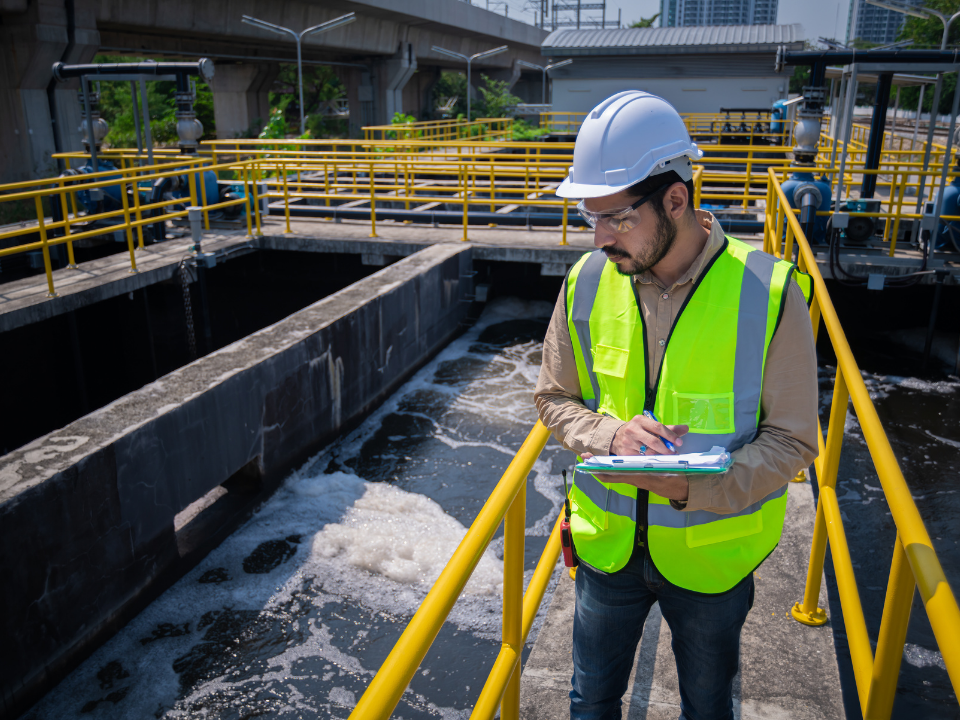
IWS has completed food and beverage wastewater projects across brewing, citrus processing, meat processing, and other high-strength production applications.
We cover the full project lifecycle under one roof: full engineering or support to your engineering firm, construction management, installation, and long-term service. As Bear Republic Brewery’s COO noted, our team is responsive to the changing needs of active production facilities. We specialize in integrating advanced systems into existing environments without halting your operations.
Read Our Food and Beverage Case Studies
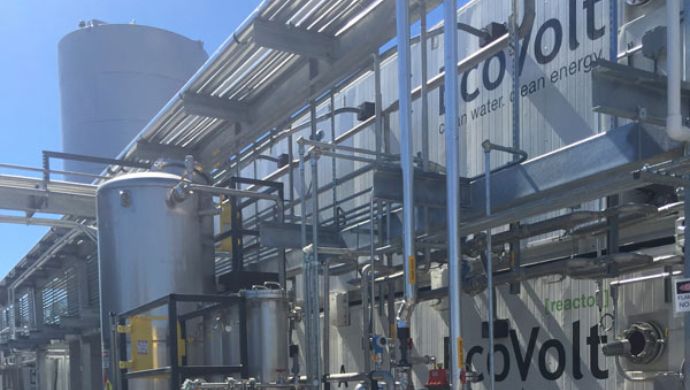
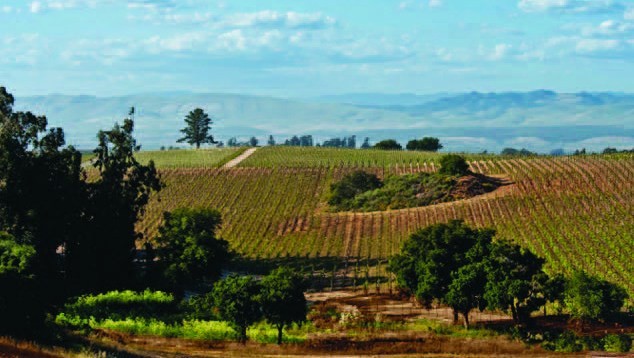
Common Wastewater Challenges for Food and Beverage Producers

High-Strength, Variable Process Wastewater
Production schedules rarely run at a constant flow.
Cleaning cycles, seasonal processing runs, and batch production create loading spikes that crash systems sized only for average conditions. IWS builds equalization and treatment capacity around your actual operating profile, including the peaks.
Discharge Limits and Stringent Pretreatment Requirements
When a food or beverage facility discharges to a municipal system, the receiving utility sets the BOD, TSS, and nutrient limits.
Exceeding them consistently can stop your production faster than almost anything else. IWS designs systems to meet your specific pretreatment permit from the start, with the process controls required to maintain those limits as you scale.
Aeration Performance in High-Demand Applications
Biological treatment of high-strength food and beverage wastewater depends on sustained, reliable oxygen transfer.
Through KLa Systems, an IWS company and the market leader in jet aeration and mixing technology, we provide jet aeration technology designed for high-demand applications where conventional fine bubble diffusers fail. With over 1,700 jet aeration projects globally, this technology offers the mixing intensity required for the most difficult organic loads.
Waste-to-Energy Opportunities
For producers with high organic loading, anaerobic digestion can change your cost profile entirely.
At Bear Republic Brewery, our anaerobic system treated high-strength waste while generating roughly 50% of the brewery’s electricity and 25% of its hot water needs through a combined heat and power turbine running on biogas recovered from the treatment process.
Treatment Technology Built for Food and Beverage Applications
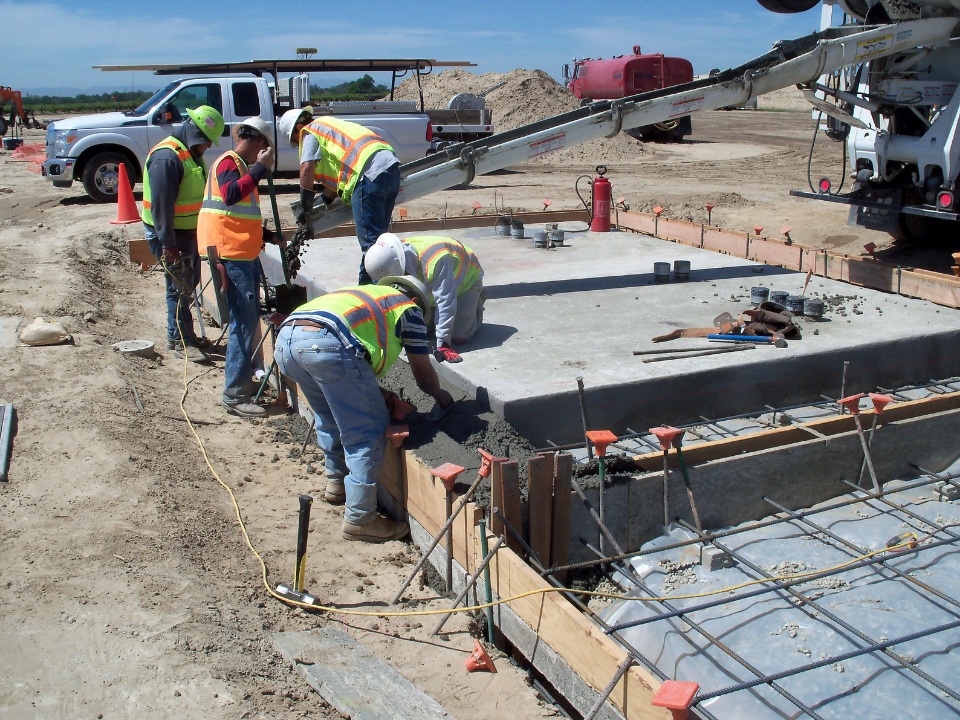
Food and beverage wastewater treatment requires technology that can handle variable organic loading, high BOD concentrations, and permit limits that don't move when production does. IWS selects and builds the right approach based on your specific process streams and discharge requirements.
Specialized Technologies for Food and Beverage Applications:
- Jet Aeration and Mixing Systems: KLa Systems’ slot injector aeration technology delivers high-efficiency oxygen transfer and thorough mixing in lagoon and tank-based biological treatment systems handling high-strength organic wastewater. Purpose-built configurations exist for citrus processing, poultry production, and other demanding food and beverage applications. Unlike fine bubble diffusers, slot injectors don’t require lagoon drainage for maintenance and don’t create dead zones in large treatment basins.
- Membrane Bioreactor (MBR) Systems: For facilities requiring reuse-grade effluent or operating under tight discharge limits, MBRs combine biological treatment with membrane filtration to consistently meet stringent permit conditions. IWS’s modular and scalable MBR lineup ranges from 25,000 GPD to millions of GPD, available for purchase, lease, or lease-to-own.
- Anaerobic Digestion and Waste-to-Energy: For high-strength organic wastewater streams, anaerobic treatment recovers biogas that can offset facility energy costs through combined heat and power systems. IWS has the construction and systems integration experience to install these technologies in operating production facilities without disrupting output.
- Automation and Controls: IWS designs and builds control systems in-house, including PLC/HMI programming, SCADA integration, and remote monitoring. For food and beverage facilities where process conditions shift with production schedules, automated controls and real-time monitoring aren’t optional infrastructure.
Why Food and Beverage Producers Choose Integrated Water Services
A wastewater system that isn’t built to keep up with production is a significant compliance problem. Talk to an IWS engineer before that problem becomes a reality.
Partner with us:
- Flexible Engineering Support: Choose the level of involvement that fits your project, from supporting your civil engineers to full specialty design.
- Proven Food and Beverage Experience: IWS has completed projects across brewing, citrus processing, meat processing, and other high-strength production applications throughout North America.
- Advanced Technology: Access to KLa Systems’ jet aeration and mixing technology, our full modular MBR lineup, and in-house automation and controls, covering the treatment challenges specific to food and beverage process wastewater.
- Emergency Response: When a treatment system goes down at an operating food or beverage facility, the window before a permit violation or production halt is short. IWS responds quickly.