

Designing for Peaks and Valleys in Seasonal Communities with MBR Technology
Private utilities serving resorts, golf courses, or mountain communities know one truth better than anyone: wastewater flow isn’t steady. Instead of the predictable demand curves of a suburban neighborhood, these facilities live with wild swings in both volume and strength.
One holiday weekend can double influent overnight. A rainy spring can spike infiltration. A shoulder season may see flows drop to a trickle, starving the biological process and disrupting organic matter breakdown. Designing for these peaks and valleys in the wastewater treatment process is the difference between reliable compliance and constant firefighting.
This is exactly where membrane bioreactor (MBR) technology delivers as a modern wastewater treatment plant solution.
The Flow Problem: Why Seasonal Communities Struggle
Unlike municipalities, seasonal developments rarely offer stable influent.
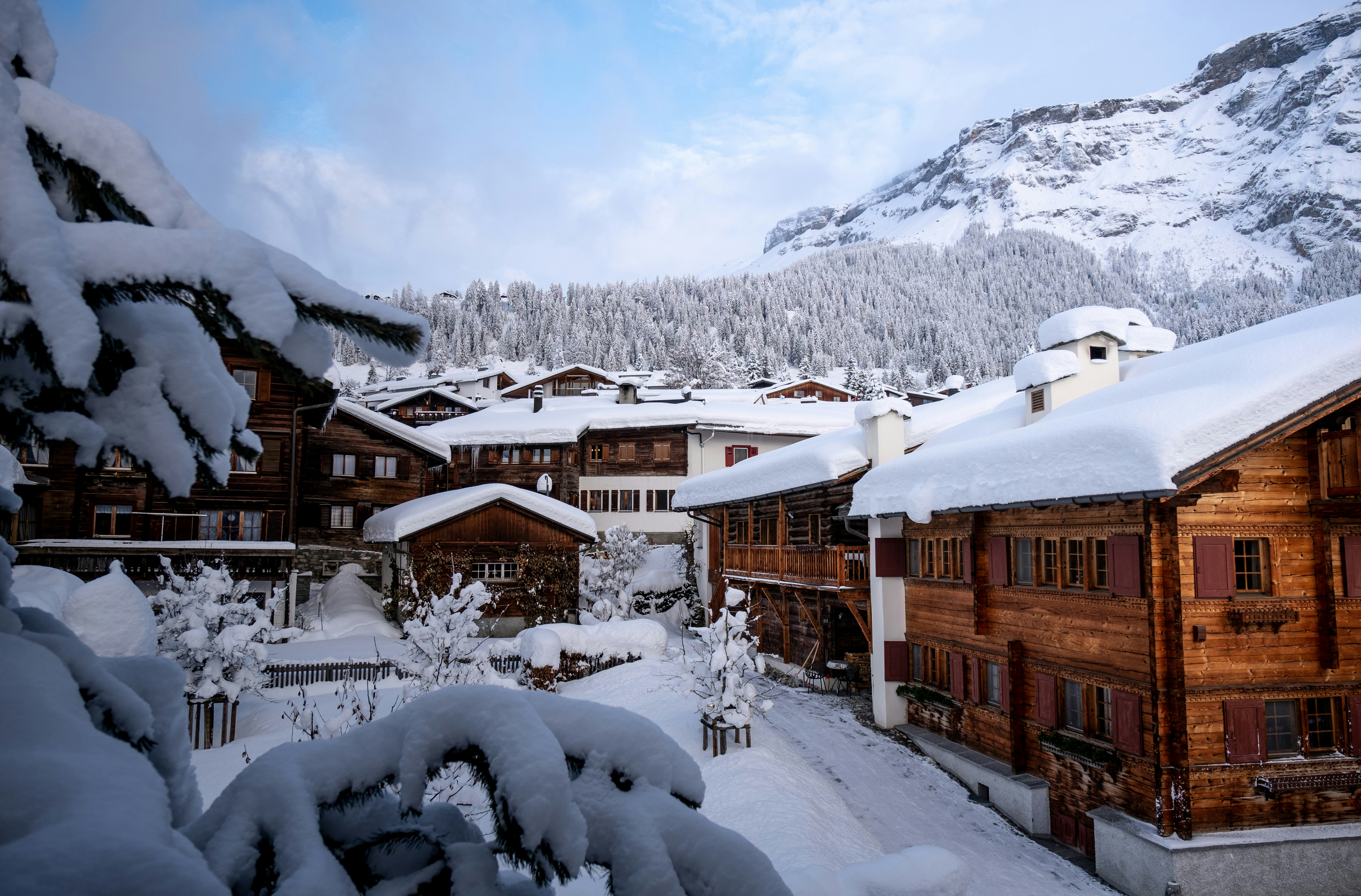
- Mountain resorts: Snowmelt swells inflow and infiltration (I&I) in late winter and early spring, but the real surge comes in December when lodges, spas, and restaurants fill. These conditions strain the treatment facility and push activated sludge systems to their limits.
- Golf course communities: Weekday flow may be modest, but tournament weekends or summer guest traffic can flood a lagoon system with domestic wastewater and kitchen loads.
- Lakefront retreats: Populations spike every holiday, while shoulder months leave plants idling, often below the minimum biological load needed to keep nitrifying bacteria active.
Conventional sewage treatment systems—extended aeration, lagoons, or sequencing batch reactors—simply weren’t designed for that variability. They rely on steady-state assumptions, large clarifiers, and relatively narrow bands of organic loading.
The result is sewage treatment plants that wash out under peaks, go septic under lows, and miss nutrient targets when it matters most.
Why MBRs Handle Variability Better
MBRs pair biological treatment with membrane filtration, and this configuration changes the playbook for seasonal communities:
- High MLSS stability: MBRs run at mixed liquor suspended solids (MLSS) concentrations of 8,000–12,000 mg/L, which is two to three times that of conventional activated sludge. This means biomass is retained even under low influent conditions, preventing nitrifier washout in the off-season and granting better control of organic material removal..
- Equalization built-in: By maintaining long sludge ages and tight solids retention, MBRs act as both treatment and buffer. Where lagoons need separate EQ tanks to manage hydraulic spikes, MBRs can handle higher peak-to-average ratios without effluent quality drifting.
- No reliance on clarifiers: Clarifiers are the weak link in seasonal systems; settling performance tanks during peaks and sludge blankets collapse under stress. Membranes replace that uncertainty with physical separation, ensuring effluent consistently meets Title 22 reuse standards (<0.2 NTU turbidity, non-detect pathogens), producing treated water suitable for recycled water uses.
- Scalability: MBRs are modular. A 0.2 MGD system can be doubled with a parallel train as resort occupancy grows, or one train can be idled during shoulder months to reduce O&M costs.
Practical Design Considerations
For private utilities and engineering teams, planning an MBR system for a seasonal site involves far more than just matching influent and effluent flows on paper.
Seasonal developments bring unique challenges—high variability in load, intermittent use, diverse wastewater characteristics, and extreme weather—all of which must be engineered into the design if the system is going to deliver stable, compliant performance year-round.
Flow Variability and Equalization
In resort communities, populations can rise quickly. For our purposes, population-to-availability (P/A) ratios of 3:1 or higher are common. That means a system designed for a community of 1,000 permanent residents could see flows equivalent to 3,000 during peak ski season, summer festivals, or holiday weekends.
MBRs are more forgiving of this variability than conventional systems because they can operate at higher MLSS concentrations without washout. Still, no biological process likes being slammed with three times the flow overnight.
That’s why upstream equalization (EQ) is critical. EQ basins, sized to buffer at least 4–8 hours of peak flow, allow operators to meter influent gradually into the MBR, protecting the membranes and keeping biology stable. For communities with known surge events—think banquet halls, spas, or most sports complexes—the ability to throttle those loads over time is a major advantage.
Pretreatment for Kitchen, Spa, and Laundry Loads
Wastewater in resort environments can run the gamut of sources. Commercial kitchens, on-site laundry, and spa operations all contribute unique challenges. Fats, oils, and grease (FOG) from kitchens can and will foul membranes rapidly. Detergents and surfactants from spas and laundry can destabilize foam and inhibit biological activity.
Pretreatment is non-negotiable. Properly sized grease interceptors on food-service lines, dissolved air flotation (DAF) units for high-strength kitchen flows, and even chemical FOG removal when warranted all protect the downstream MBR.
By addressing these waste streams at the source, operators minimize membrane fouling, reduce chemical cleaning frequency, and extend membrane life.
Cold Climate Adaptations
In mountain or northern climates, nitrification can slow dramatically in winter. Biological nitrifiers are sensitive to temperature drops below 15°C, and in ski towns or northern resorts, influent can arrive near freezing. While MBRs inherently support longer sludge ages (which helps maintain nitrifier populations through cold periods), operators and engineers should consider physical design adaptations:
- Semi-buried tanks or vaults to capture geothermal insulation.
- Supplemental insulation and windbreaks for exposed basins.
- Heated blower air or trace heating to stabilize aeration lines.
- Automated dissolved oxygen control to prevent over-aeration during low microbial activity.
These measures keep nitrification steady in winter months, ensuring compliance with ammonia, nitrogen limits, and overall water quality standards enforced by the Environmental Protection Agency even in frigid conditions.
Managing Seasonal Shutdowns
Unlike municipal systems, many resort-town plants see true off-seasons: weeks or months where occupancy falls to 10–20% of peak. Conventional systems often struggle in these conditions, as low flows starve biomass and clarifiers go unstable.
MBRs, however, can idle at reduced flows while maintaining biomass viability.
The key is maintaining minimum recirculation and aeration to keep solids in suspension and prevent anaerobic conditions.
Operators can reduce wasting, extend sludge age, and rely on SCADA-controlled “sleep cycles” to keep the biology alive and membranes wet without overconsuming energy. When peak season returns, the system can ramp back up quickly without reseeding.
Operator Flexibility
Finally, seasonal sites often face staffing fluctuations. Off-season, a plant may have minimal oversight. During peak, demand on operators spikes. Designing with automation in mind—PLC-driven controls, remote SCADA dashboards, and predictive maintenance alerts—gives operators the ability to manage peaks and valleys without being on-site 24/7.
Operational and Financial Payoffs
Private utilities need wastewater treatment plants and systems that don’t just check the compliance box, but also protect budgets and reputations:
- Reduced Hauling: Higher MLSS and longer sludge ages cut biosolids production by 30–50% compared to conventional systems. That’s fewer trucks on winding mountain roads, and less O&M spend overall.
- Lower Chemical Costs: Because membranes guarantee solids separation, operators can reduce reliance on polymers or coagulants used to prop up clarifiers in overloaded systems.
- Staffing Efficiency: With PLC-based control and SCADA integration, a single operator can manage multiple decentralized MBR systems remotely—a critical advantage where skilled labor is scarce.
- Reuse Potential: Resorts and golf communities benefit directly from having a drought-proof irrigation supply. High-quality MBR effluent can be reused in fairways, landscapes, or cooling towers, turning compliance into a visible amenity.
The Bottom Line
For seasonal communities, wastewater isn’t steady. It surges, recedes, and strains conventional infrastructure at every turn. MBR technology is a stability engine.
By designing for peaks and valleys, private utilities can ensure consistent effluent quality, protect local water bodies, and turn their wastewater system into a predictable, resilient asset.
At IWS, we specialize in building modular, small-footprint MBR systems that fit the unique challenges of seasonal communities, delivering compliance today and flexibility for tomorrow.
Frequently Asked Questions
How does the wastewater treatment process flow differ in seasonal communities?
In seasonal communities such as resorts or golf courses, wastewater flow is highly variable. Incoming wastewater may double during holidays or drop to a trickle in off-season months. Unlike conventional sewage treatment plants that rely on steady flows, membrane bioreactor (MBR) systems maintain stability across peaks and valleys by combining biological processes with membrane filtration, ensuring consistent water quality and compliance.
Why are membrane bioreactors more effective than conventional sewage treatment processes in variable-flow environments?
Traditional sewage treatment plants depend on clarifiers, aeration basins, and sedimentation tanks that can become unstable under fluctuating wastewater flow. MBR technology eliminates reliance on settling tanks by using membranes for solids separation. This ensures treated water meets reuse standards, reduces sludge treatment volumes, and allows the system to adjust to both high and low influent conditions.
What role does pretreatment play in the wastewater treatment process for resorts and seasonal developments?
Pretreatment is essential when wastewater includes domestic wastewater from kitchens, spas, and laundry facilities. Grease interceptors, dissolved air flotation (DAF), and chemical treatment protect MBR membranes from fats, oils, grease, and detergents. This step reduces pollutants before biological treatment, safeguarding the activated sludge process and extending membrane life.
How does cold weather impact biological wastewater treatment?
In mountain or northern climates, untreated wastewater often arrives near freezing temperatures, slowing biological processes such as nitrification. To protect water quality, facilities use adaptations like semi-buried tanks, heated blower air, and insulation. These measures stabilize dissolved oxygen levels, maintain bacteria populations, and ensure the biological process continues effectively in cold conditions.
What advantages do MBR systems provide in terms of sludge treatment and operational efficiency?
Compared to conventional activated sludge processes, MBRs maintain higher mixed liquor suspended solids (MLSS) and longer sludge ages, cutting primary sludge and biosolids production by up to 50%. This reduces hauling costs, lowers chemical usage, and minimizes environmental impact. Automated controls and SCADA integration further improve operator efficiency and help maintain compliance with Environmental Protection Agency standards.
Can treated wastewater from MBR systems be reused in seasonal communities?
Yes. Treated water from an MBR system consistently meets tertiary treatment standards for recycled water. Resorts and golf communities can safely reuse reclaimed water for irrigation, cooling towers, or landscaping. This water resource recovery process turns wastewater treatment into a sustainable, clean water supply while supporting environmental protection and long-term resilience.
How do MBR systems manage seasonal shutdowns when wastewater flow is low?
During off-season periods, sewage treatment processes can struggle due to insufficient organic material to sustain bacteria. MBR systems overcome this by idling at low flows while maintaining biomass through extended sludge age, controlled aeration in the aeration tank, and automated “sleep cycles.” This keeps the treatment facility ready to ramp up quickly when peak wastewater flow returns.