

MBRs as a Compliance Safety Net: Keeping BOD/TSS Below Detection Even Under Stress
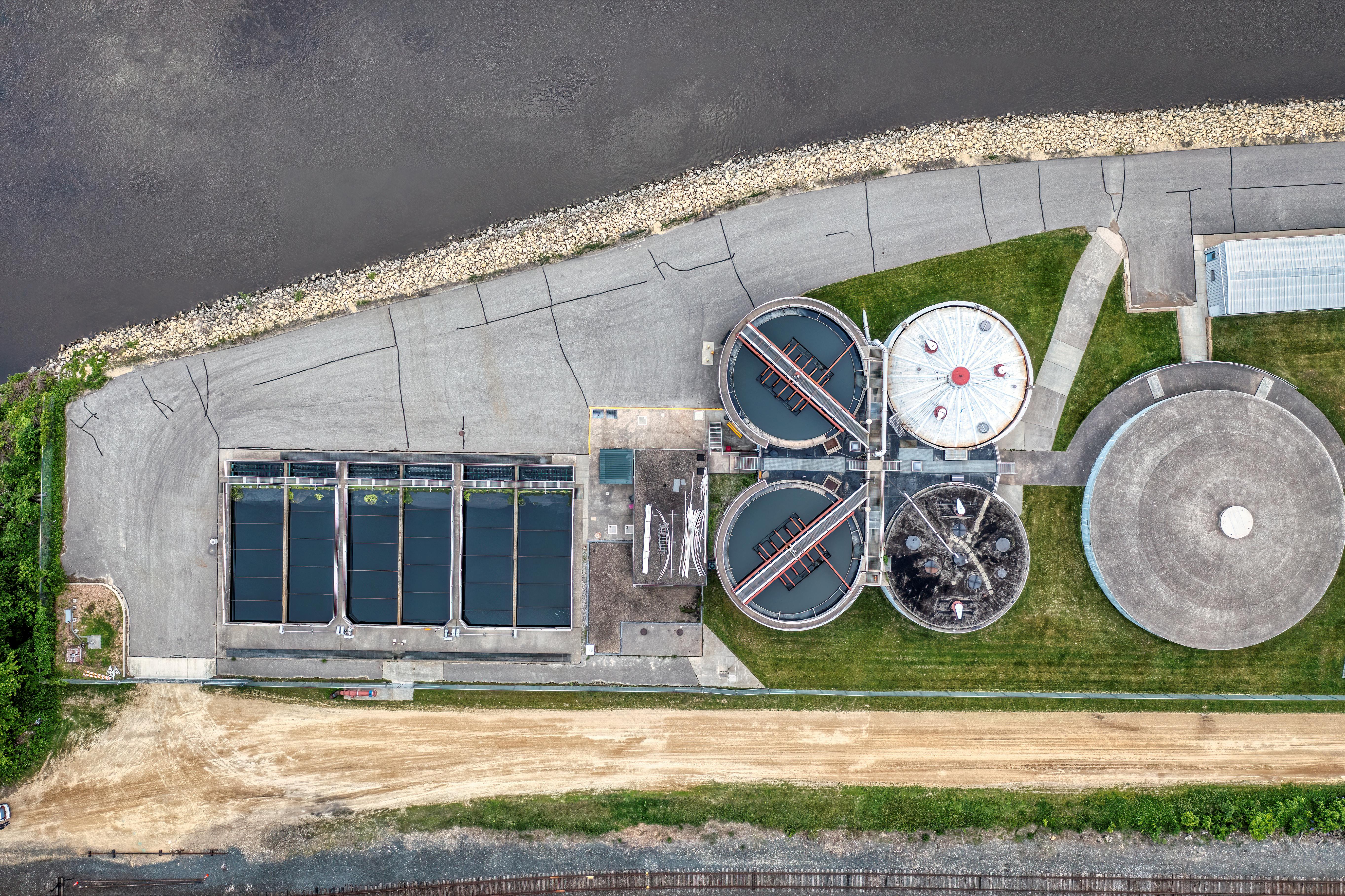
Municipal operators live with one universal truth: stress events happen. Heavy rains, seasonal load swings, or industrial discharges can push a conventional wastewater treatment plant toward its limits. And when that happens, the parameters regulators care most about—biochemical oxygen demand (BOD) and total suspended solids (TSS)—are often the first to drift.
That’s where membrane bioreactor (MBR) technology proves its value.
MBRs combine a biological process with ultrafiltration membranes, creating a built-in safeguard against compliance slips that clarifiers and sand filters can’t always prevent.
Why BOD/TSS Is So Hard to Control Under Stress
Conventional activated sludge plants rely on settling to achieve solids separation. When flows surge, clarifiers wash out. When industrial discharges hit, floc characteristics can shift and solid particles slip through. Even well-run plants see effluent turbidity rise and BOD removal weaken under these conditions.
For operators, the pattern is familiar:
- Wet weather → suspended solids rise at the outfall.
- Sudden load shock → clarifiers can’t settle properly.
- Low flows or aging sludge → treatment performance becomes erratic.
Each event eats into your compliance cushion and raises the risk of permit violations.
How MBRs Provide a Built-In Safety Net
Conventional wastewater treatment relies on clarifiers to do a lot of heavy lifting.
After biological treatment, gravity is expected to separate clean water from solids. But clarifiers are also the most fragile part of the system. When hydraulic peaks hit, sludge blankets rise. When load composition shifts, floc doesn’t settle. Operators know this scenario well: you can run a good biological process and still see effluent quality tank because the clarifier couldn’t keep up.
MBRs take clarifiers out of the equation.
Instead of depending on gravity, membranes act as a physical barrier, filtering every drop of treated water before it leaves the system. The result is a level of process stability that operators quickly notice during real-world stress events.
Stable Effluent Under Variable Flows
Whether it’s stormwater infiltration, a holiday surge at a resort town, or an unexpected slug load from a local industry, MBRs keep effluent quality consistent.
The membranes retain all suspended solids, regardless of settling conditions. That means even when flows spike or the biological process shifts, the effluent quality remains steady. Operators don’t see the swings in turbidity or BOD that can plague clarifier-based plants during high-stress moments.
Consistently Low TSS
In a conventional plant, TSS in the effluent often tells the story of how well—or poorly—the clarifiers are performing that day. With MBRs, the membranes guarantee separation. Nothing larger than the pore size of the membrane passes through. This keeps total suspended solids consistently low, even when sludge is light, fluffy, or poorly settling.
For operators under pressure to maintain compliance in sensitive watersheds, that’s a safety margin you can count on.
Reliable BOD Removal
The biological process inside an MBR is different, too. By operating at higher mixed liquor suspended solids (MLSS) concentrations—often two or three times that of conventional systems—MBRs maintain a larger, more diverse microbial population.
Longer sludge ages mean the slow-growing bacteria that handle nitrification and more complex organic matter stay in the system rather than washing out. The payoff is steady biochemical oxygen demand removal and stronger nutrient reduction, even when influent strength shifts or temperature drops.
The Net Effect: Confidence in Compliance
Taken together, these features create a system that absorbs the peaks and valleys of wastewater operations without passing the stress along to the effluent. For operators, the difference is confidence.
Instead of living on the edge of permit limits during every storm event, they know the plant has a built-in cushion. Effluent remains within compliance bands, solids don’t slip through, and BOD stays under control—all without the constant clarifier management and chemical “insurance” that conventional systems require.
That’s why MBRs are often described as a compliance safety net. They don’t replace operator skill, but they give operators more room to work, more predictability in the data, and far fewer late-night calls about turbidity spikes.
Practical Tips for Operators Considering MBRs
Even though MBRs provide a stronger buffer, they aren’t a set-and-forget solution.
Municipal teams should still:
- Plan for pretreatment if your influent includes high FOG or grit loads. Protecting membranes up front reduces cleaning cycles and extends lifespan.
- Size equalization thoughtfully in wet-weather systems. While membranes hold solids back, upstream EQ can reduce hydraulic stress and protect aeration.
- Leverage automation. SCADA-based dissolved oxygen (DO) control and transmembrane pressure (TMP) monitoring give early warning of fouling and allow proactive adjustments.
- Budget for maintenance, not firefighting. Cleaning-in-place (CIP) is predictable and scheduled, unlike the emergency clarifier rehab many operators are used to.
Why It Matters at the Plant Level
For many municipal teams, the difference is peace of mind.
Instead of holding your breath every time the weather forecast calls for rain or an industrial discharger ramps up, MBRs keep effluent quality stable. That stability not only protects your permit, but it also reduces operator stress and builds trust with regulators and the community you serve.