













Best Practices for Equalization Tank Maintenance
Membrane bioreactor (MBR) systems represent a sophisticated technology in the domain of wastewater treatment, offering superior effluent quality through an integrated process of biological degradation and membrane filtration.
Central to optimizing the operational efficiency and reliability of MBR systems is the management of the equalization tank, a crucial component designed to mitigate the variability of incoming wastewater characteristics.
We’re here to walk through some of the key engineering principles underlying equalization tank maintenance. For long-term success with your MBR system, this is a critical and ongoing process.
Here’s what we’ll cover in this article:
-
- Effective strategies for sediment and sludge management in equalization tanks to prevent accumulation and maintain optimal tank performance.
-
- Monitoring and automation techniques for real-time adjustment of influent characteristics, enhancing MBR system efficiency.
-
- Best practices for mechanical maintenance, odor control, and integrity safeguards, ensuring environmental compliance and operational safety of MBR systems.
Functional Imperatives of Equalization Tanks in MBR Systems
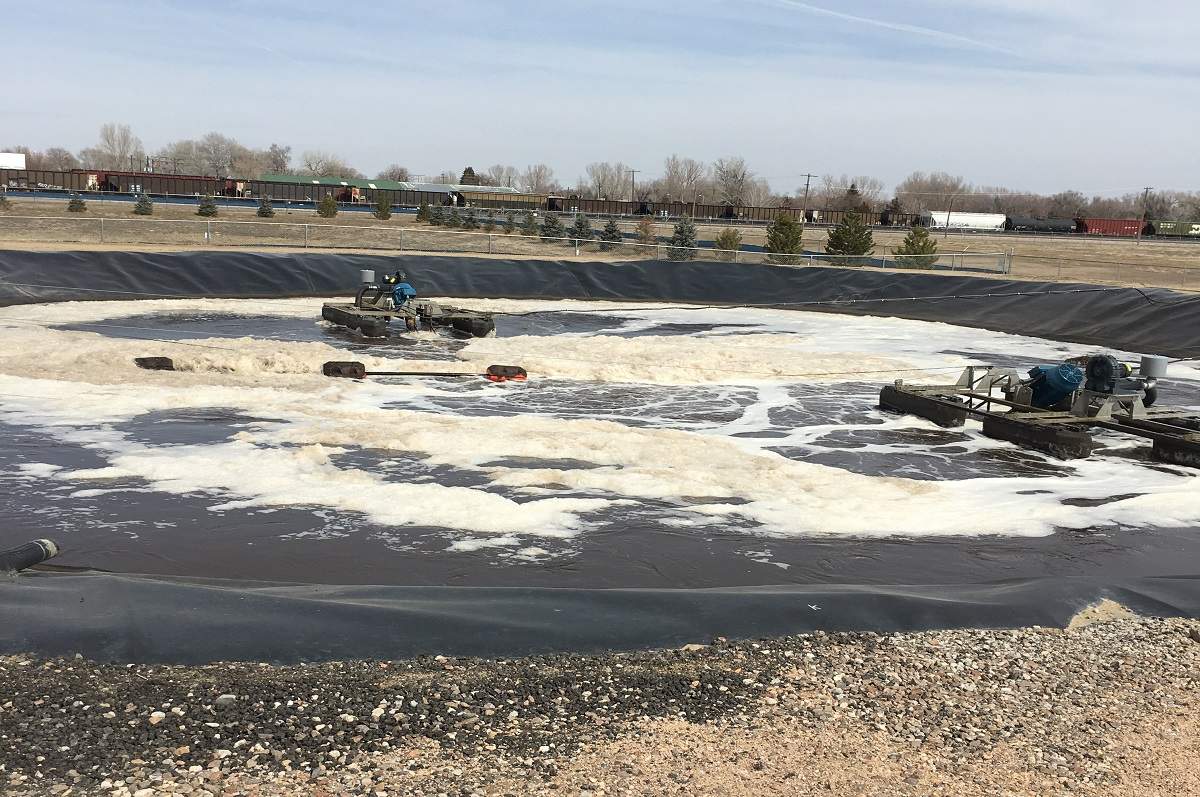
The equalization tank is engineered to attenuate fluctuations in hydraulic and organic loading rates, temperature, and chemical composition of the influent wastewater. By balancing the flow and composition of influent, the equalization tank ensures a consistent downstream load.
This regulatory function maintains a stable operational environment for the MBR system, minimizing the incidence of hydraulic shock and membrane fouling, which can detrimentally affect the system’s treatment efficacy and membrane integrity.
Maintenance of the equalization tank directly correlates with the operational efficiency of the MBR system. It’s a priority for any team managing wastewater treatment operations.
Maintenance Methodologies for Equalization Tanks
Protocol for Sediment and Sludge Management
Accumulation of sediments and sludge within the equalization tank can impair its buffering capacity and, by extension, the overall efficiency of the MBR system.
Implementing a robust sediment and sludge management protocol for equalization tanks is crucial in optimizing wastewater treatment processes. Schedule regular sediment and sludge removal from the equalization tank, via manual dredging and automated cleaning systems, to prevent accumulation and ensure optimal tank performance.
The process involves a thorough assessment of the tank to understand sediment accumulation rates, followed by developing a tailored management plan that outlines removal frequencies, methods, and necessary equipment.
On the operational front, adjusting inflow and outflow rates to reduce turbulence, alongside controlled mixing and aeration, can prevent solid accumulation and ensure wastewater homogeneity.
Regular monitoring and maintenance procedures are critical here.
By meticulously executing these strategies, wastewater treatment facilities can significantly enhance the efficiency of equalization tanks, ensuring system reliability and compliance with environmental standards.
Advanced Monitoring and Automation Strategies
By leveraging parameters such as pH, conductivity, and turbidity, engineers can dynamically adjust process inputs, ensuring the equalization tank operates within its designed specifications. This level of granularity enhances the adaptability of the entire wastewater treatment system to fluctuating influent conditions.
Automation can be important here. Again, your team’s goal in this maintenance process is to ensure the homogeneity of the wastewater and prevent sediment accumulation. Consider upgrading the equalization tank’s monitoring systems to include advanced sensors and automated controls for real-time adjustments based on the monitored parameters.
By analyzing data trends and performance metrics, predictive algorithms can forecast equipment failures before they occur, minimizing downtime and extending the lifespan of critical infrastructure. Automation systems can optimize energy consumption by adjusting operational parameters in real time based on system demand, thereby reducing the environmental footprint of treatment facilities.
Together, advanced monitoring and automation not only elevate the performance and reliability of equalization tanks but also contribute to the broader goals of environmental stewardship and resource conservation in wastewater management.
Maintenance of Mechanical and Electrical Components
The operational integrity of mechanical devices (e.g., mixers, pumps) within the equalization tank is critical for the homogenization of the wastewater and the prevention of sedimentation. Ongoing maintenance is key.
This process involves a detailed regimen of inspecting, servicing, and, when necessary, replacing critical equipment and control systems that facilitate the smooth operation of the equalization process. Regular, scheduled maintenance checks are imperative to identify wear and tear or potential malfunctions before they escalate into costly breakdowns.
By adhering to manufacturer guidelines and industry best practices, engineers can preemptively address issues, ensuring that mechanical and electrical components operate at peak efficiency. This proactive approach not only safeguards the operational integrity of the equalization tank but also optimizes the performance of the wastewater treatment system as a whole.
Develop a preventive maintenance schedule for all mechanical and electrical components in the equalization tank, including mixers and pumps, based on the manufacturer’s recommendations and industry best practices. Make sure this schedule is known to all team members.
Odor Control Engineering
Evaluate and implement an effective odor control strategy for the equalization tank, considering options such as chemical treatment, covers, and biofilters, based on a cost-benefit analysis.
This important work involves the application of chemical, physical, and biological technologies to mitigate odors emanating from wastewater processing.
By implementing tailored solutions such as biofilters, activated carbon scrubbers, and chemical dosing systems, engineers can effectively neutralize odor-causing compounds, thereby minimizing their impact on surrounding areas. The choice of technology is often dictated by the specific nature of the odorous compounds, operational efficiency, and cost-effectiveness, requiring a nuanced understanding of both the science of odor control and the operational dynamics of wastewater treatment facilities.
This proactive approach not only enhances the environmental compatibility of the treatment process but also improves the quality of life for nearby communities, underscoring the importance of odor control engineering in maintaining public health and environmental standards.
Integrity and Containment Safeguards
Preventing overflow and leakage from the equalization tank is imperative for environmental compliance and system safety. Perform regular inspections and maintenance of overflow and leakage prevention systems, including level sensors and structural integrity checks, to ensure environmental compliance and operational safety.
By implementing robust tank design features such as double-walled constructions, leak detection systems, and overflow alarms, engineers can significantly mitigate the risk of containment breaches.
Additionally, the use of high-quality materials resistant to the corrosive nature of wastewater and the incorporation of regular structural integrity assessments into the maintenance schedule are essential for the long-term durability and safety of these systems. These measures go a long way toward protecting the facility from potential fines and legal challenges associated with environmental contamination (and they’re a critical safeguard for the surrounding ecosystem and public health).
Challenges and Engineering Solutions
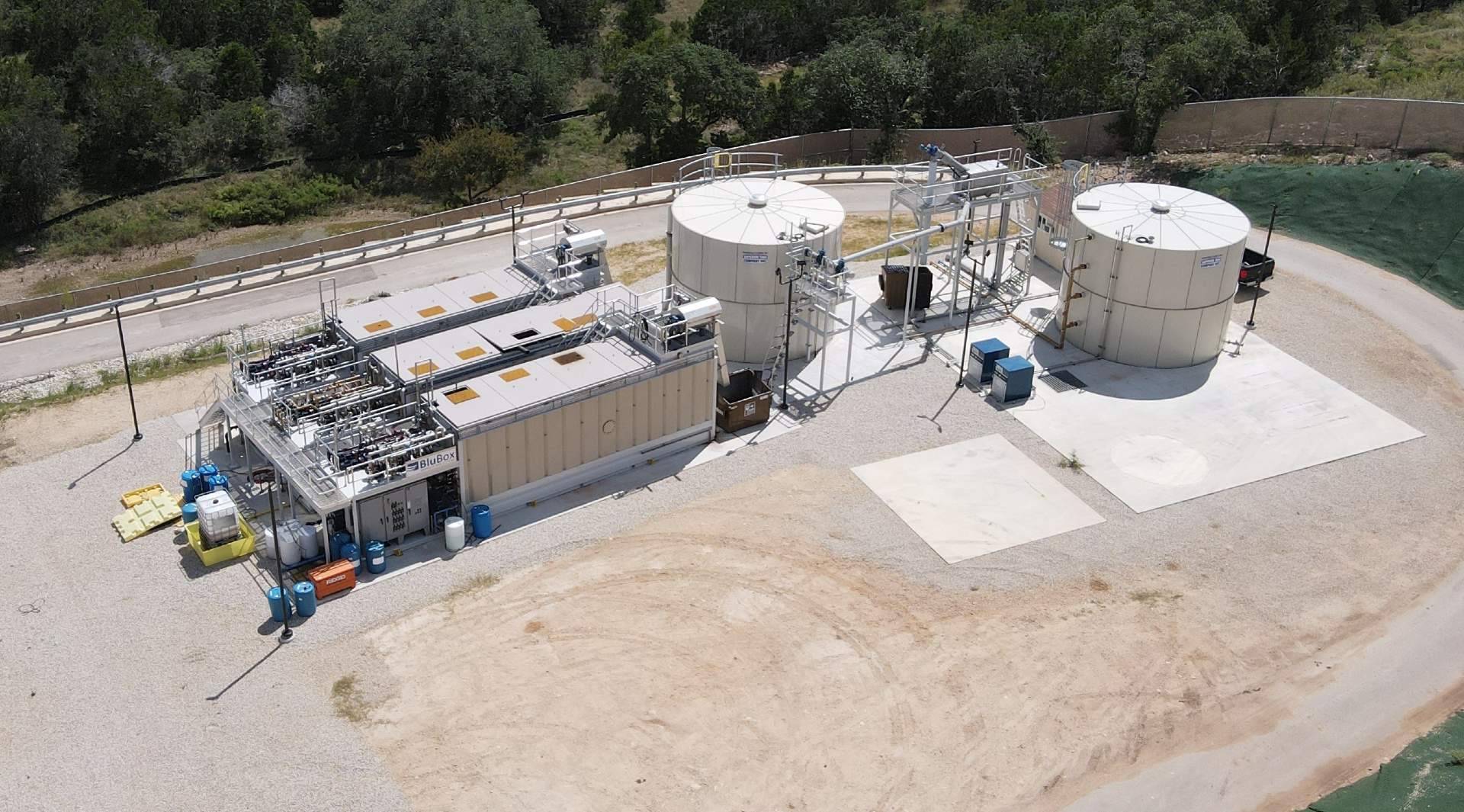
Addressing the multifaceted challenges associated with equalization tank maintenance demands a comprehensive understanding of both the biological and mechanical aspects of MBR systems. Properly sized equalization basins can help keep the MBR system costs down by eliminating additional membrane units, process volumes, and equipment sizing that would otherwise be required if all the flow and loading was to pass through the MBR without equalization.
It’s important to view your wastewater treatment operation holistically, but make sure that your team takes the time to scrutinize more specific equipment such as the equalization tank. On an ongoing basis, Identify and document any recurring challenges in equalization tank maintenance within your facility, and develop a set of engineering solutions or modifications to address these issues systematically.
The maintenance of equalization tanks within MBR wastewater treatment systems is a cornerstone of operational efficiency and system resilience. By adhering to a disciplined maintenance regimen, informed by engineering principles and best practices, wastewater treatment engineers can significantly enhance the performance and longevity of MBR systems.
Want to learn more? Read some of our recent articles:
Want to speak with the IWS team? Send us a message!
Want to learn more? Read some of our similar articles:

Sign up for the Integrated Water Services newsletter.
We share important perspectives and news on MBR wastewater treatment every two weeks.