














Building Public Trust When Private Utilities Operate Behind the Fence
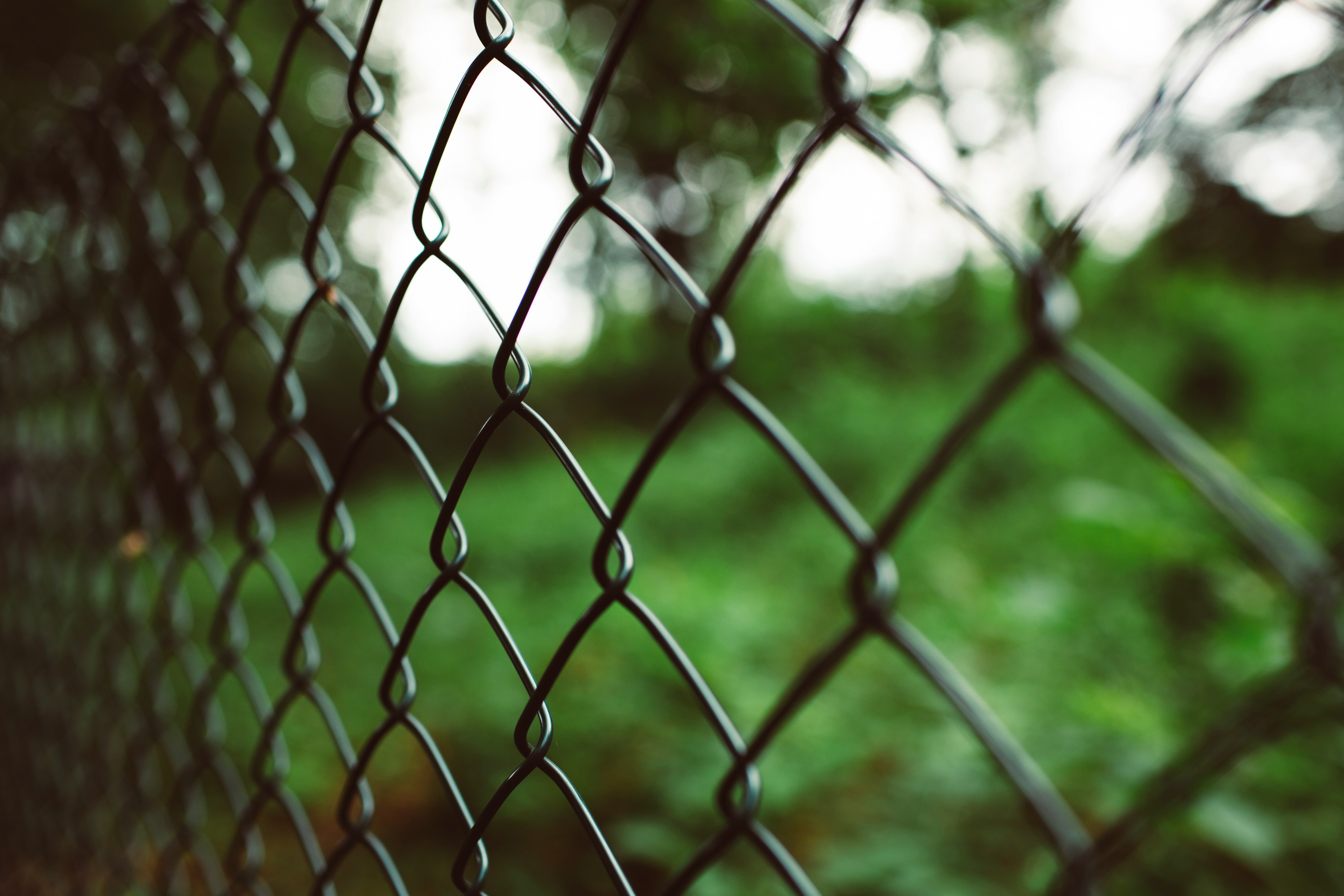
When wastewater treatment infrastructure is owned and operated by private entities—be it a developer, resort, industrial plant, or utility holding company—it’s easy for the public to feel disconnected from the wastewater treatment system that serves them. Unlike municipal wastewater treatment plants, which often have physical visibility and built-in community oversight, private utilities may operate “behind the fence,” hidden from daily view and governed by different regulatory and ownership structures.
But that invisibility doesn’t have to translate into mistrust.
In fact, some of the most successful and resilient water treatment plants in the country are privately operated. The key to community support lies in one simple truth: People trust what they understand and what they can see working.
Why “Behind the Fence” Doesn’t Mean Out of Mind
For homeowners, business tenants, or nearby landowners, the idea of a privately owned wastewater treatment facility can trigger uncertainty. Questions arise:
- Who’s responsible if something goes wrong?
- Will my rates be fair?
- Is the water being treated to high standards?
- Will this plant affect my home’s value or the environment?
These are valid concerns, and addressing them head-on is the responsibility of the private utility or owner/operator. That starts with a proactive communications strategy and a commitment to visible value.
Visibility Through Design: Reuse-Ready Infrastructure
Wastewater reuse is one of the most powerful tools available for building public trust within the wastewater treatment process.
When thoughtfully integrated into the built environment, reuse offers a rare opportunity to take something normally hidden (and often misunderstood) and make it visible, valuable, and virtuous.
At a time when most people never think twice about where their water goes after it’s used, visible reuse closes that mental loop. It shows the public—and regulators, investors, and future tenants—that the system works, that the operator is responsible, and that the infrastructure is an asset (not a liability).
Turning Treatment into a Community Asset
Consider a typical suburban development. Homes are sold, roads go in, and incoming wastewater flows quietly into a “package plant” tucked behind a fence. It does its job. No one sees it. No one thinks about it, unless something goes wrong.
Now imagine this alternative: The treated wastewater effluent irrigates a community trail, complete with educational signage explaining how recycled water supports pollinator-friendly native plants. Or consider the HOA newsletter including a photo of the reuse pond, with an update on how many gallons were offset from municipal demand last month. Perhaps even the system itself is housed in an architecturally screened, sound-buffered enclosure with a low-profile footprint—and a story to tell.
Suddenly, the wastewater treatment facility becomes part of the community, not apart from it.
Landscapes That Tell the Story
Water reuse creates highly visible touchpoints across commercial and residential sites. Imagine these spaces:
- Golf courses and resorts: Treated effluent irrigates expansive landscapes with predictable demand curves, making them ideal reuse recipients. The pairing of high-end real estate with circular water treatment design reinforces both luxury and responsibility.
- Corporate and industrial campuses: Reuse can feed cooling towers, process rinses, and exterior landscaping. These projects often benefit from ESG and LEED certification boosts, which help frame the investment in sustainability.
- Mixed-use developments: When parks, greenways, and community gardens are irrigated with reuse water, residents encounter the outcome of advanced wastewater treatment in their daily lives. With proper signage and community education, that contact fosters confidence, not concern.
In each case, reuse tells a visual story: “The water we used is still working.”
MBR: The Engine Behind the Curtain
This kind of visibility depends on reliability, and that’s where membrane bioreactor (MBR) systems shine within a wastewater treatment plant.
With ultrafiltration membranes ensuring crystal-clear effluent and advanced biological processes reducing nutrient loads to reuse-grade levels, MBRs unlock high-value reuse in places that might otherwise struggle to meet permit limits. These systems often integrate activated sludge, microorganisms, and aeration tanks to create consistent water quality and efficient sludge treatment.
Key benefits that support visible reuse include:
- Consistently low turbidity and TSS for safe landscape use.
- Compact footprints, enabling treatment within or near development zones.
- Minimal odor, thanks to enclosed aeration basin and tank systems.
- Automated operation that supports stable output and treated wastewater quality even under load variation or seasonal demand shifts.
Operators can point to data—and results on the ground—that show how their “invisible” wastewater treatment system is performing in visible ways.
Designing for Visibility From Day One
Reuse-ready infrastructure shouldn’t be an afterthought. When planned early, it can shape public perception, enhance property value, and position the utility as a forward-thinking steward of local resources and environmental services.
Best practices include designing irrigation systems alongside sewage treatment plants and ensuring proper pressurization and delivery zones. Private utilities might also consider getting out ahead of the public communication and providing signage, dashboards, or QR-code access to inform the public about how recycled water is used.
These strategies build trust. They show the community that the system is quietly enriching the places where they live, work, and play.
Conclusion: Trust Comes from Clarity, Not Ownership Structure
At IWS, we’ve seen firsthand how private utilities can deliver world-class wastewater treatment. But we’ve also seen how community perception can make or break a project.
When systems are “behind the fence,” you have to work harder to build public trust—but that work pays off. With the right combination of design visibility, data transparency, and proactive communication, even the most invisible wastewater treatment infrastructure can earn its place as a valued part of the community.
Because in the end, trust flows from what people understand (not just what they see).
FAQ
1. What is a wastewater treatment plant and how does it work?
A wastewater treatment plant is a treatment facility that removes pollutants, organic matter, and solids from domestic wastewater, industrial wastewater, and sewage before releasing or reusing it as treated water. The wastewater treatment process typically includes stages like screening, aeration, biological breakdown with microorganisms, sedimentation tanks, and sludge treatment to produce clean water that meets Environmental Protection Agency standards.
- What’s the difference between a municipal and private wastewater treatment facility?
A municipal wastewater treatment system is owned and operated by a city or county public works department, while a private wastewater treatment facility is managed by an independent entity such as a developer or utility company. Both follow Clean Water Act regulations to ensure water quality, but private operators often design more compact and efficient systems—like sequencing batch reactors or membrane bioreactors (MBR)—to serve specific developments or communities.
- How does treated wastewater benefit the environment?
Treated wastewater can be safely reused for irrigation, cooling, or industrial applications, reducing strain on drinking water supplies. This recycled water supports environmental protection, enhances sustainability, and helps communities maintain access to clean water. Proper anaerobic digestion and biosolids management also reduce methane emissions and promote renewable energy recovery.
- What happens to sludge and wastewater solids after treatment?
After the wastewater treatment process, the remaining sludge or wastewater solids go through anaerobic digestion in digesters, where bacteria break down organic solids. This step stabilizes the material, creating biosolids that can be used as fertilizer or safely disposed of. Some systems use aeration tanks or anaerobic digesters to produce biogas, which can power the treatment plant itself.
- Why is visibility important for private wastewater treatment systems?
When a wastewater treatment plant operates “behind the fence,” the public may not see how effectively it protects water quality. By designing visible reuse applications—like landscapes irrigated with treated water—private operators can build trust and demonstrate compliance with Environmental Protection Agency regulations. Visibility promotes understanding and reinforces that wastewater treatment delivers lasting community and environmental benefits.
- How can private utilities ensure community trust in their wastewater treatment systems?
Private utilities can build trust by maintaining transparency, sharing performance data, and showing how their wastewater treatment plants safeguard clean water. Educational signage, tours, or dashboards that display water treatment results help residents see the value of their treatment facility. These actions show that private utilities are responsible stewards of both wastewater and community resources.