














Water and Wastewater Infrastructure for Parks, Campgrounds, and Recreational Facilities
Why Parks and Recreation Sites Are a Different Kind of Project
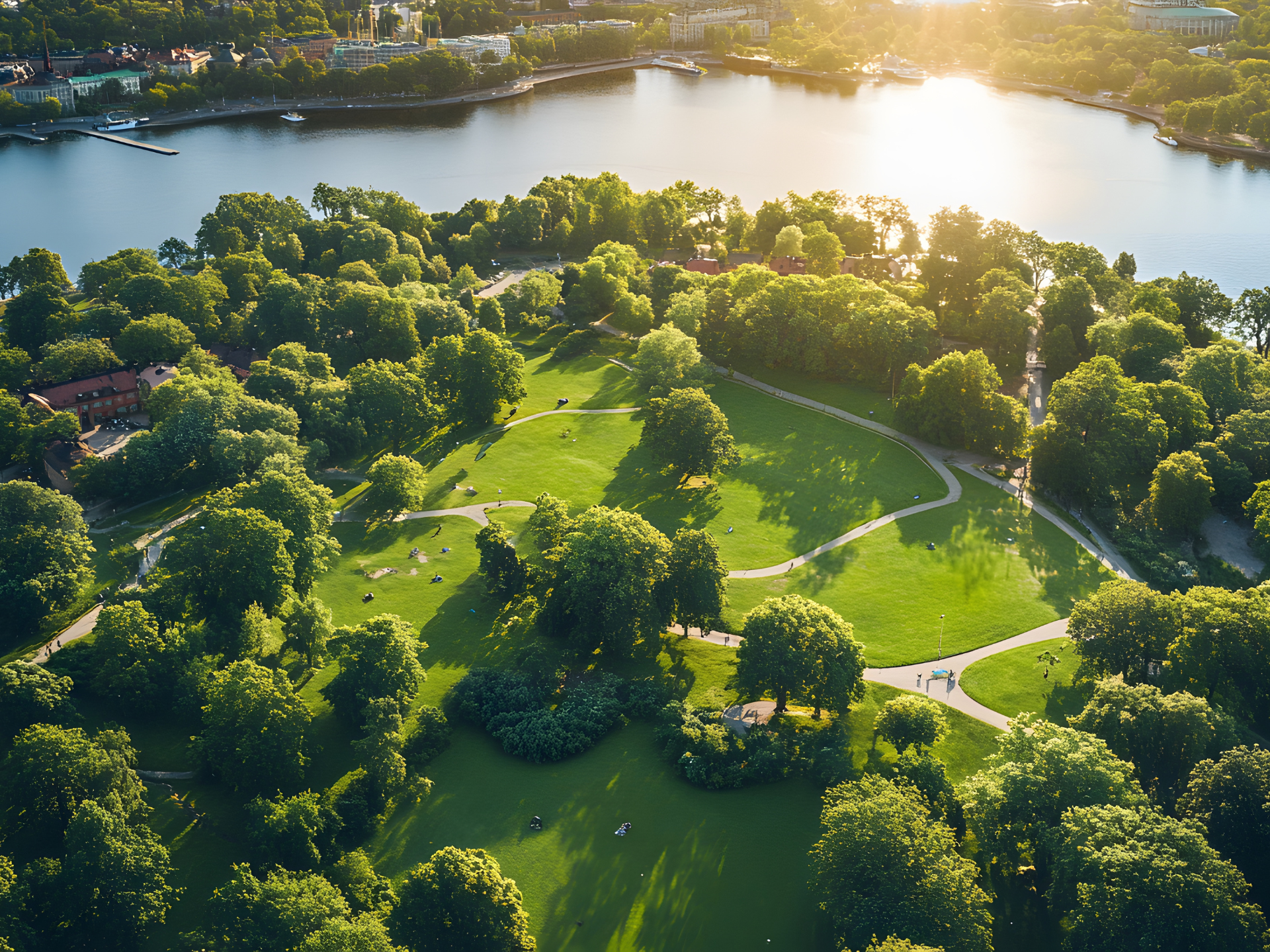
Parks and recreation facilities sit at the intersection of two things that don't naturally coexist: high public use and environmentally sensitive locations.
The sites that make these facilities worth visiting are often the same sites where conventional sewer infrastructure doesn’t reach, subsurface conditions are unpredictable, and the permitting agencies are watching discharge quality closely. Add in seasonal occupancy swings, minimal on-site staffing, and the occasional requirement to deliver equipment by barge or through winding, forested roads, and you have a project profile that most wastewater contractors haven’t encountered. IWS has.
IWS: Built for Remote Sites and Constrained Logistics
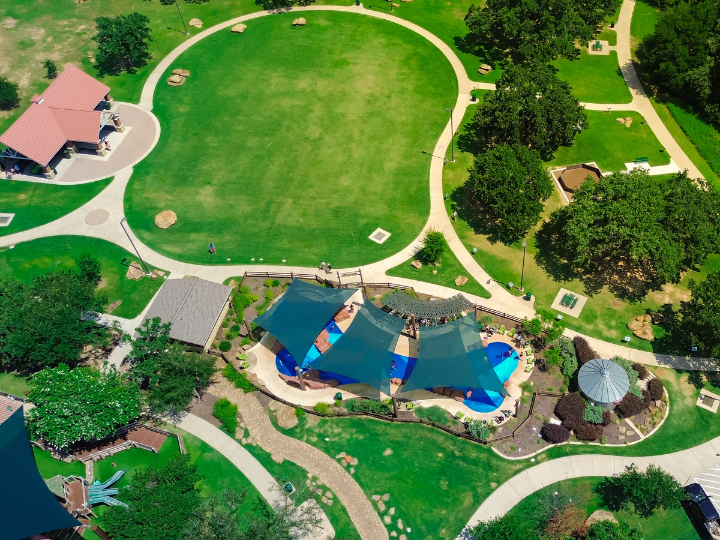
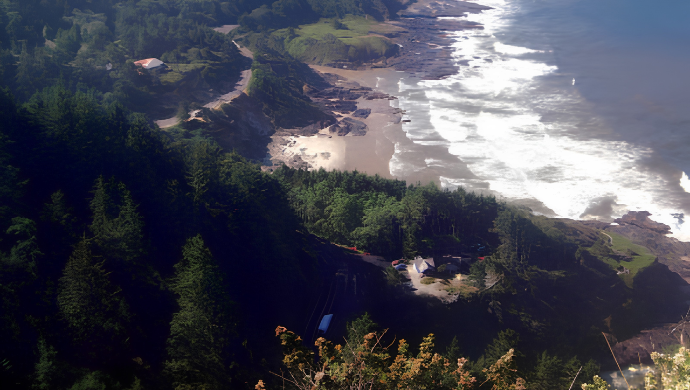
Since 2003, IWS has completed parks and recreation projects for the US Forest Service, YMCA camps, resort operators, and school districts across some of the most logistically challenging sites in the country. The Catalina Island project required shipping over seven million pounds of equipment and materials via nine barges from the Port of Long Beach to a camp with no road access. The Cape Perpetua project on the Oregon Coast meant directional drilling through rocky, steep terrain in a protected scenic area, in the rain, for six months. We cover the full project lifecycle under one roof: specialty engineering, construction management, installation, and long-term service. For remote sites with no nearby contractor support, that continuity is what keeps the system running after we leave.
Common Wastewater Challenges for Parks and Recreation Facilities

No Municipal Sewer, No Simple Solution
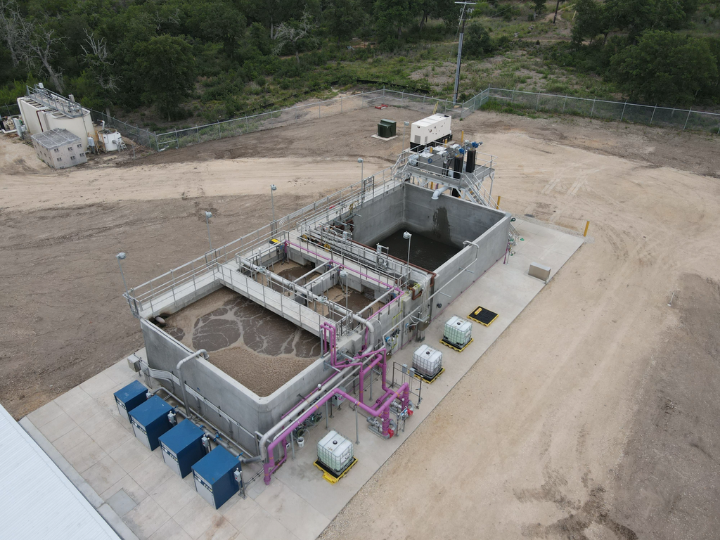
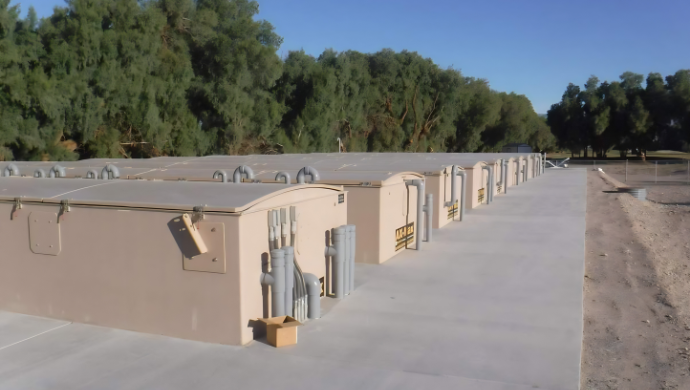
Most parks and recreation facilities are exactly where sewer infrastructure isn’t. IWS designs decentralized onsite treatment systems built for the specific site conditions — whether that’s rocky coastal terrain, high desert bedrock, or an island accessible only by water — and sized to handle the peak demand of a fully occupied facility without over-engineering the base case.
Environmentally Sensitive Receiving Environments
Parks and recreation facilities are often located near rivers, coastlines, wetlands, or protected land where discharge limits are strict and regulators have little tolerance for treatment failures. The Cape Perpetua system discharges adjacent to the Siuslaw National Forest on the Oregon Coast. The Catalina Island system directs treated effluent to 27,500 linear feet of subsurface drip irrigation throughout the camp rather than discharging to the island’s sensitive coastal environment. IWS designs the treatment system around the receiving environment from the start.
Seasonal Use and Variable Loading
A campground that holds 400 people in July and 40 in November creates a treatment challenge that average-flow sizing gets wrong. IWS builds equalization capacity and flexible operational modes into systems serving facilities with wide seasonal occupancy swings, so the system performs reliably at both ends of the range.
Aging Infrastructure in Active Public Facilities
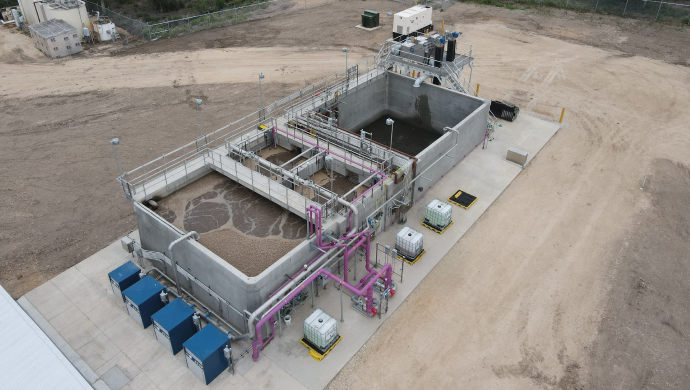
The US Forest Service’s Cape Perpetua Campground had a 260,000-gallon aeration basin that had stopped performing and water lines that needed full replacement, all while maintaining service to concessionaires throughout construction. IWS replaced approximately 5,000 feet of water lines using directional boring to minimize environmental impact, upgraded the aeration basin, and kept water and wastewater services running to the public without interruption.
Treatment Technology Built for Parks and Recreation Applications
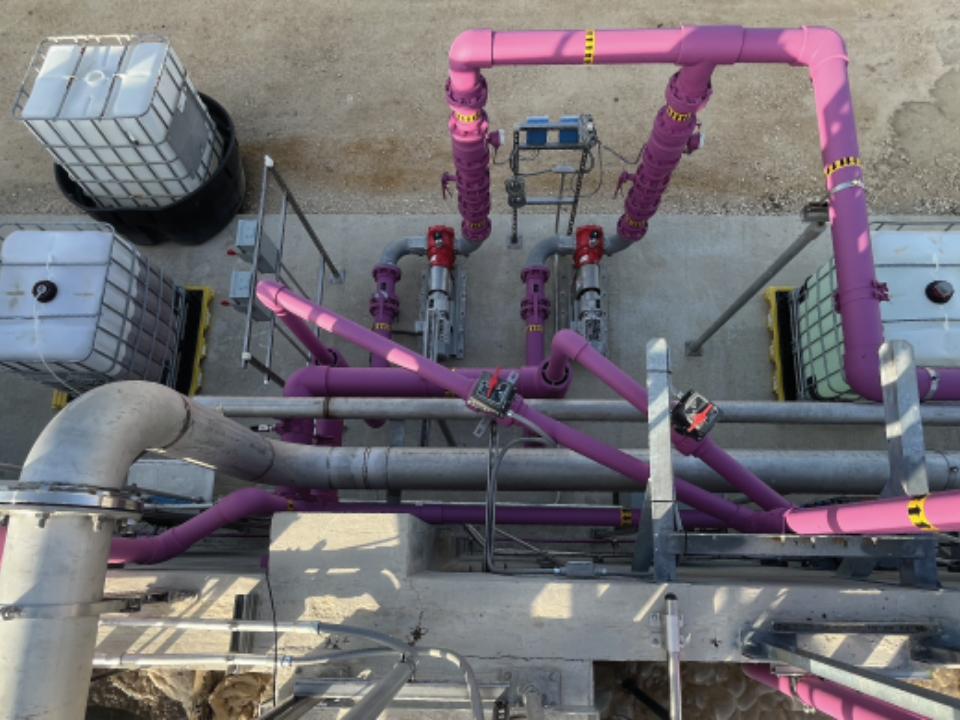
Parks and recreation wastewater systems need to be compact, low-maintenance, and durable enough to keep performing in locations where a service call isn’t a quick trip. IWS selects the right technology for each site based on discharge requirements, seasonal loading patterns, and how much operational attention the facility can realistically provide.
Treatment Technologies for Parks and Recreation Applications:
- Onsite Wastewater Treatment Systems: For facilities without municipal sewer access, IWS designs and builds decentralized treatment systems for each site’s unique dispersal or reuse requirements.
- Water Reuse Systems: For parks and recreation facilities in water-scarce regions or under strict discharge limitations, treated effluent can be directed to subsurface or drip irrigation rather than discharged. The Catalina Island system routes treated effluent through 27,500 linear feet of Geoflow drip tubing throughout the camp’s common areas. IWS designs reuse systems into the project from the start, not as an afterthought.
- Membrane Bioreactor (MBR) Systems: For facilities requiring reuse-grade or tight-discharge effluent in a compact footprint, IWS’s modular MBR lineup ranges from 25,000 GPD to 500,000 GPD, available for purchase, lease, or lease-to-own.
- Automation and Controls: Remote monitoring and automated operation reduce the daily staffing burden for facilities with limited or seasonal maintenance staff. IWS builds control systems in-house, including remote access and alert notifications, so a system in a remote park can be monitored from off-site.
Why Parks and Recreation Operators Choose Integrated Water Services
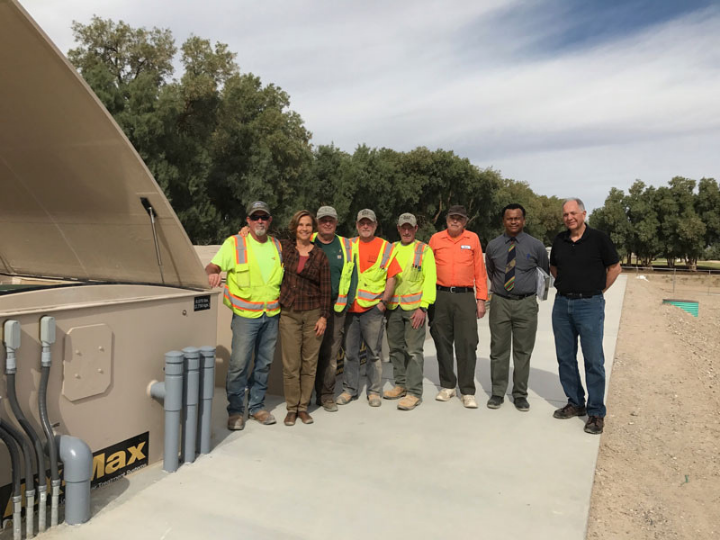
Remote sites don’t forgive poor planning. Talk to an IWS team member before the logistics become the project.
We offer:
- Flexible Engineering Support: Choose the level of involvement that fits your project, from supporting your civil engineers to full specialty design.
- Proven Parks and Recreation Experience: IWS has completed projects for federal land management agencies, nonprofit camp operators, school districts, and resort developers across remote and environmentally sensitive sites throughout North America.
- Advanced Modular, Scalable Technology: Access to our full modular, scalable MBR lineup, sized from small seasonal camps to large destination parks, available for purchase, lease, or lease-to-own.
- Rapid Emergency Response: When a treatment system fails at an operating recreation facility, IWS responds quickly to restore service and protect the surrounding environment.