
















How Land Constraints Shape Wastewater Treatment Decisions More Than You Think
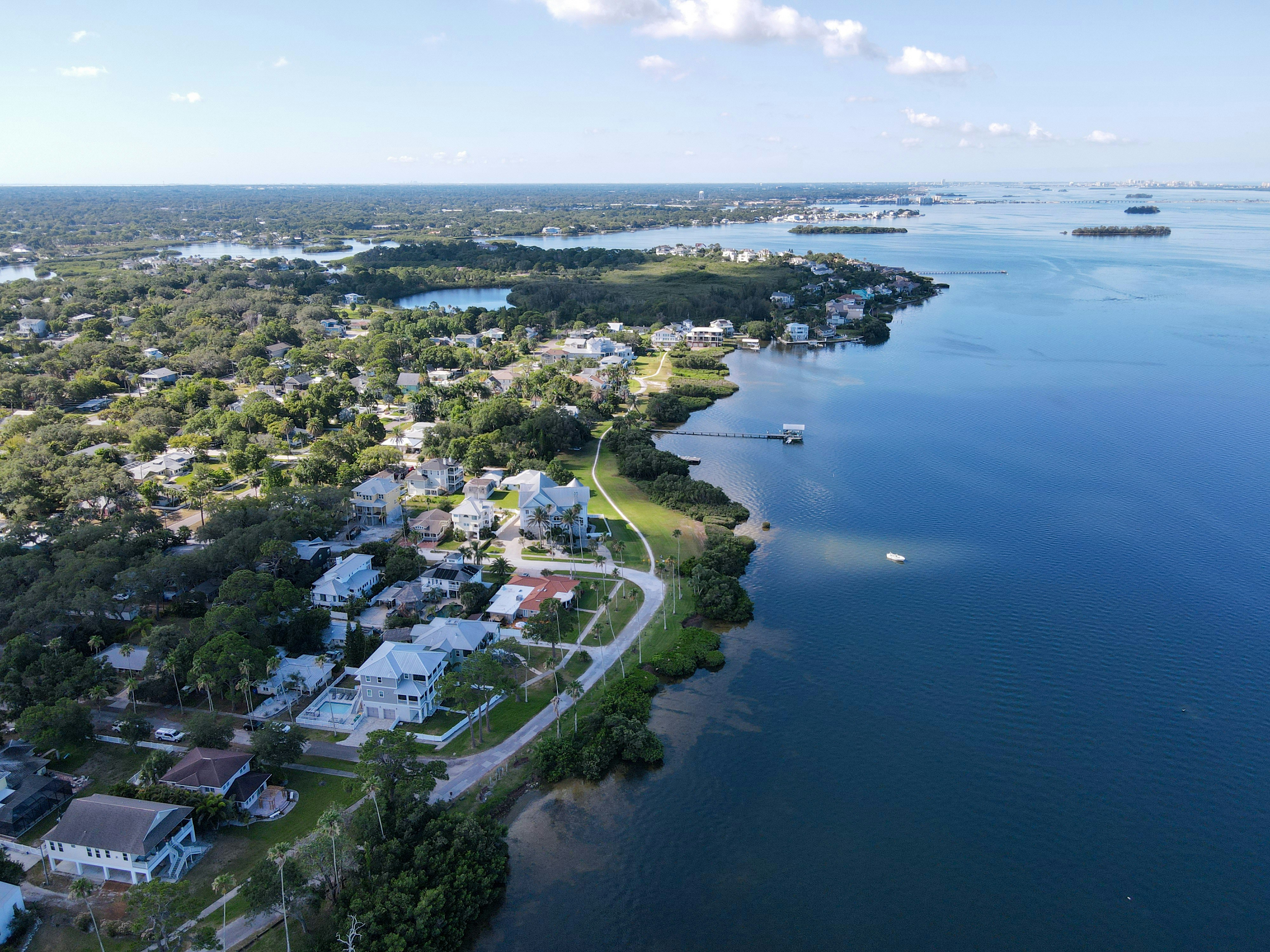
Land availability is sometimes treated as a constraint to solve in new municipal wastewater treatment projects after a treatment approach is outlined. After flow projections for raw sewage are modeled. After process alternatives are shortlisted. After cost estimates begin to take shape.
This sequence is all too common, and it overlooks the fact that land is a core design variable. Pushing land to the backburner creates problems, especially for urban utilities and land-limited towns where every square foot carries financial, regulatory, and political weight.
In practice, land availability influences treatment decisions more than most teams initially recognize. It affects capital cost, permitting timelines, public acceptance, and long-term flexibility. When land is treated as a primary input rather than an afterthought, project outcomes tend to improve.
Land Is a Cost Driver Before Construction Begins
Wastewater infrastructure occupies physical space long before it handles a single gallon of untreated wastewater. In urban environments and constrained sites, that space carries a price. Land acquisition costs can rival or exceed process equipment costs. Site preparation can become complex when terrain, setbacks, or existing utilities limit where structures can be placed.
Even when land is already owned by the municipality, opportunity cost matters. Parcels dedicated to a wastewater treatment facility can’t be used for other civic needs, future development, or buffer space. For small municipalities with limited property, that tradeoff is significant.
Treatment systems with large footprints often require additional excavation, retaining structures, or grading. Those civil works add time and expense. The financial implications ripple through the entire project, affecting everything from the wastewater treatment equipment budget to the final bottom line.
Permitting and Public Acceptance Are Tied to Footprint
Larger treatment footprints often trigger more extensive permitting reviews. Setbacks, floodplain considerations, wetlands impacts, and visual screening requirements all expand with site size. Each additional acre can bring additional scrutiny.
Public acceptance follows a similar pattern. Communities are more likely to raise concerns when projects require large parcels, visible infrastructure, or significant site disruption. Noise, odor from sewage, and aesthetics all become more prominent when facilities occupy more space.
Even beyond the administrative oversight, public works departments and municipal utilities evaluate land decisions in a public setting. Site selection, expansion planning, and visual impact are discussed in council meetings and community forums long before construction begins. Even when suitable parcels exist, public perception can influence whether those parcels remain viable options. A municipal wastewater treatment plant is expected to coexist with neighborhoods, parks, and future development plans.
That visibility means footprint decisions carry a different level of scrutiny than they do for private facilities. Early clarity around space requirements and long-term expansion needs helps reduce friction later in the process.
Compact wastewater treatment approaches can reduce these friction points. Smaller footprints simplify siting decisions, shorten environmental review timelines, and reduce visual impact. For municipal leaders, that can translate into smoother approvals and fewer delays.
Expansion Planning Becomes a Land Question
Growth rarely arrives exactly on schedule. Municipal utilities need room to expand, even when initial capacity meets current demand. The question is where that expansion occurs.
Traditional treatment layouts in the United States often require large contiguous areas for additional basins, clarifiers, or a new settling tank. If land was not reserved at the outset, future expansion may require new acquisitions, relocation of infrastructure, or costly redesign.
Municipal wastewater systems are also anchored to fixed service areas and existing collection networks. Gravity flow patterns, interceptor alignments, and discharge locations limit how easily treatment can be relocated or expanded. A treatment plant footprint chosen today often defines the system’s physical logic for decades. If expansion room is not preserved within or adjacent to the site, future capacity increases may require costly collection system changes or satellite facilities. For that reason, land planning for municipal treatment projects tends to have longer operational consequences than in private or industrial wastewater settings.
When land is scarce, expansion options narrow quickly. Projects that seemed straightforward at commissioning can become complex years later. Planning for growth without securing the necessary footprint creates long-term risk.
Land Constraints Affect Operational Decisions
Footprint influences more than construction and permitting. It shapes daily operations.
Long piping runs, widely spaced basins, and extensive structures can increase maintenance demands. Travel time between equipment increases. Access for maintenance vehicles becomes more complicated, particularly when managing sludge treatment or hauling solids. Smaller teams feel these impacts most acutely.
Compact treatment systems reduce these operational burdens. Equipment can be consolidated. Access paths remain shorter. Operators spend less time navigating large sites and more time managing process performance. For utilities with limited staffing, those efficiencies matter.
Acquiring land for municipal infrastructure introduces additional procedural steps. Appraisals, public approvals, environmental review, and coordination with planning departments all affect project timelines. These steps are manageable when anticipated early. They become more difficult when expansion needs emerge unexpectedly.
By treating footprint and long-term site needs as primary design considerations, utilities can reduce the likelihood of last-minute land acquisition efforts that complicate schedules and budgets.
To that point, municipal wastewater projects are typically delivered through multi-year capital improvement plans. Land decisions made in early phases influence how future phases can be funded and constructed. When sites are selected without room for growth, later capital projects may require new property, major retrofits, or additional permitting cycles. When footprint and phasing are considered together, utilities can align site planning with long-term capital planning and avoid revisiting foundational decisions sooner than expected.
Treating Land as a Primary Design Variable
Projects tend to move more smoothly when land considerations are addressed early. That means evaluating site constraints before process selection is finalized. It means understanding not just current capacity needs but how future phases will fit within the available footprint.
Early integration of land considerations allows teams to explore different configurations and layouts before design momentum builds. It also clarifies tradeoffs. A larger footprint may reduce certain equipment costs but increase civil costs and permitting complexity. A compact footprint may require different process choices—such as specific biological processes or advanced nutrient removal—but simplify long-term planning.
Framing land as a design input—rather than a constraint to resolve later—leads to more balanced decisions.
Municipal wastewater treatment facilities are expected to operate for decades. Over that time, service populations shift, regulatory expectations evolve, and flow patterns change. A site that appears sufficient for current demand must also accommodate future conditions that are difficult to forecast precisely. Designing with adequate flexibility within the available footprint allows utilities to respond to those changes without disrupting operations or undertaking major relocation efforts.
Compact, Modular Treatment in Land-Limited Settings
In municipal settings, the ability to expand within an existing footprint carries significant practical value. Avoiding additional land acquisition reduces permitting complexity, shortens project timelines, and limits disruption to surrounding communities. Treatment systems that can add capacity incrementally within a defined site help utilities maintain control over both cost and schedule. This flexibility supports steady growth while preserving the investments already made in land and infrastructure.
Membrane bioreactor systems are often used in land-constrained environments because of their compact footprint and scalability. By combining biological treatment and solids separation within a smaller area, they reduce the need for large clarifiers and extensive basins.
Modular configurations support phased expansion without requiring large additional parcels. Initial installations can fit within tight sites while leaving room for future modules. This allows municipalities to align capacity growth with demand while maintaining a consistent site footprint.
In urban settings and small towns where land is limited, this approach preserves flexibility. Utilities can expand treatment capacity without seeking new property or redesigning the entire facility.
Planning for the Long Term
Land decisions made early in a project can shape operations for decades. When footprint is considered alongside process performance, cost, and regulatory requirements, utilities gain a clearer view of how their infrastructure will evolve.
This perspective encourages deliberate planning. It reduces the likelihood of unexpected land needs during future expansions. It helps ensure that treatment systems remain adaptable as communities change.
At IWS, we work with municipalities to evaluate how site constraints influence treatment design from the outset. By treating land as a central variable, not a late-stage hurdle, utilities can build facilities that perform reliably today and remain workable tomorrow.
If your community is planning a wastewater upgrade in a land-limited setting, we can help you assess how footprint, phasing, and process selection intersect—and how to move forward with a design that fits both your site and your long-term needs.
FAQ
How does land availability impact the cost of a municipal wastewater treatment plant? Land availability is a major cost driver that influences capital expenses long before construction begins. In urban areas or constrained sites across the United States, land acquisition and site preparation can rival the cost of the wastewater treatment equipment itself. Limited space often requires complex civil works, such as excavation and retaining structures, to accommodate essential biological processes and settling tanks within a smaller footprint.
Why is footprint reduction important for permitting under the Clean Water Act? Larger footprints often trigger more extensive environmental reviews and stricter setbacks under regulations like the Clean Water Act. By utilizing compact wastewater treatment equipment to reduce the facility’s physical size, a municipality can often shorten permitting timelines and minimize scrutiny regarding wetlands impacts, visual screening, and discharge locations. A smaller site presence also tends to improve public acceptance by reducing concerns over odors from raw sewage and noise.
What technologies help manage industrial and domestic wastewater in land-limited settings? To treat sanitary sewage and industrial wastewater in tight spaces, utilities often turn to compact technologies like membrane bioreactors (MBR). These systems combine biological treatment and suspended solids separation in a single step, eliminating the need for large secondary treatment clarifiers. Additionally, using efficient headworks components, such as screw pumps and grit removal systems, allows plants to maximize hydraulic efficiency without expanding their boundaries.
How do land constraints affect sludge treatment and daily operations? A sprawling layout increases travel time for operators and complicates access for maintenance vehicles handling sludge and solids. Conversely, compact facilities consolidate equipment, making it easier for staff to monitor chemical oxygen demand, manage nutrient removal, and maintain flows. Efficient site planning ensures that critical processes, from primary treatment to sludge treatment, are accessible without requiring extensive piping runs or large contiguous parcels.
Why is long-term expansion planning critical for a sewage treatment plant? Municipal wastewater projects must accommodate future growth in flow and changes in organic matter loads. If a treatment facility is designed without reserving space for future tertiary treatment or additional capacity, the utility may face expensive retrofits or land acquisition costs later. Modular design allows a treatment plant to expand its capacity to produce clean water incrementally, ensuring the infrastructure can adapt to future needs without disrupting the existing water source or collection system.