Water and Wastewater Infrastructure Built for School Districts That Cannot Afford Compliance Gaps
Engineering Flexibility for Educational Facilities
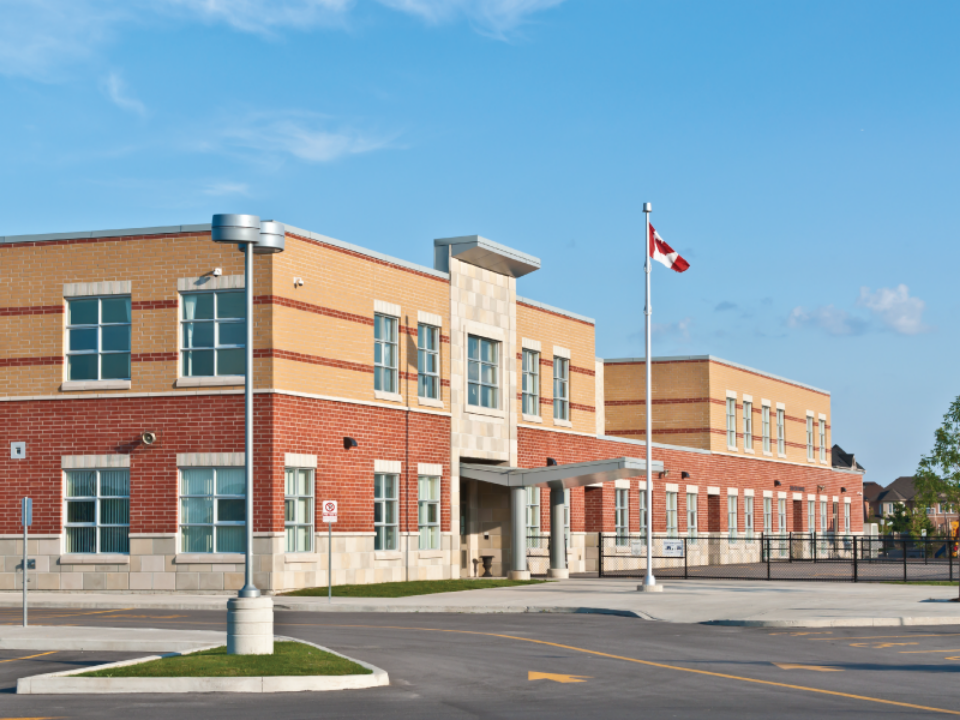
Public school projects involve unique procurement requirements, fixed capital budgets, and construction timelines tied to the academic calendar.
IWS offers a flexible engineering model to support your district’s goals:
- Collaborative Technical Support: We work alongside your District Engineer or third-party engineering firm to provide specialized expertise in nutrient removal and modular technology integration.
- Specialty Engineering: Our team can lead the technical design of the treatment system, focusing on meeting stringent state health standards while minimizing long-term operational costs.
- Value Engineering: We have a proven track record of finding technical efficiencies that align with school district budgets—including a project for LA Unified where our technical approach saved the district over $1.1 million.
The Infrastructure Problem Rural and Remote Schools Know Well
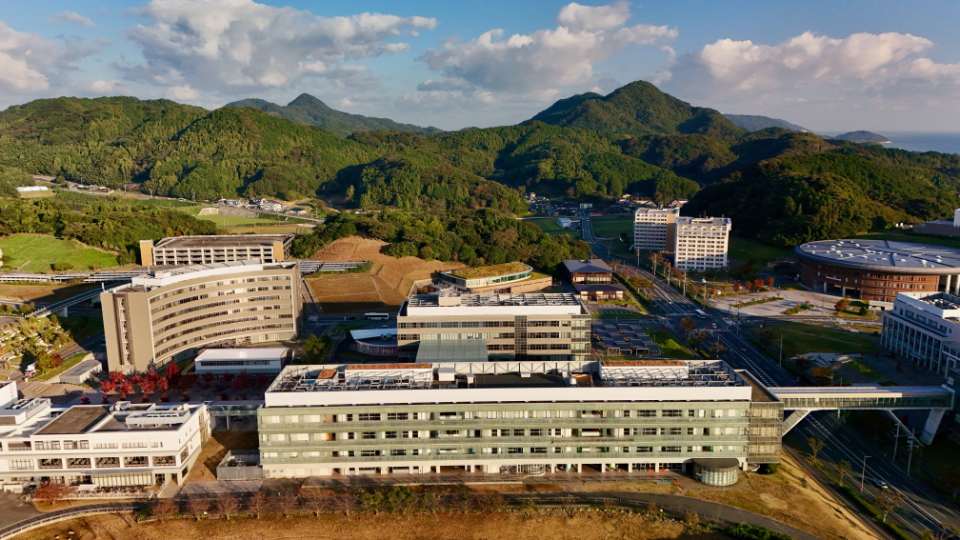
School districts outside municipal sewer service areas carry a wastewater burden that urban districts don't think about.
The facility still has to meet the same state health standards. The permit conditions don’t get easier because the site is remote. And when a new building gets added to the campus, the existing treatment system is usually the first thing that can’t handle the load. IWS has worked with school districts across the United States to solve exactly that problem.
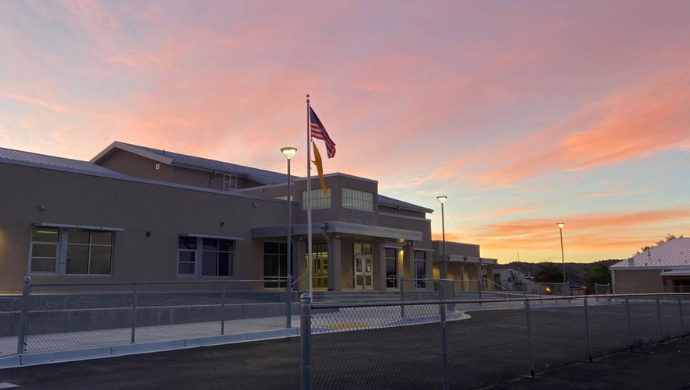
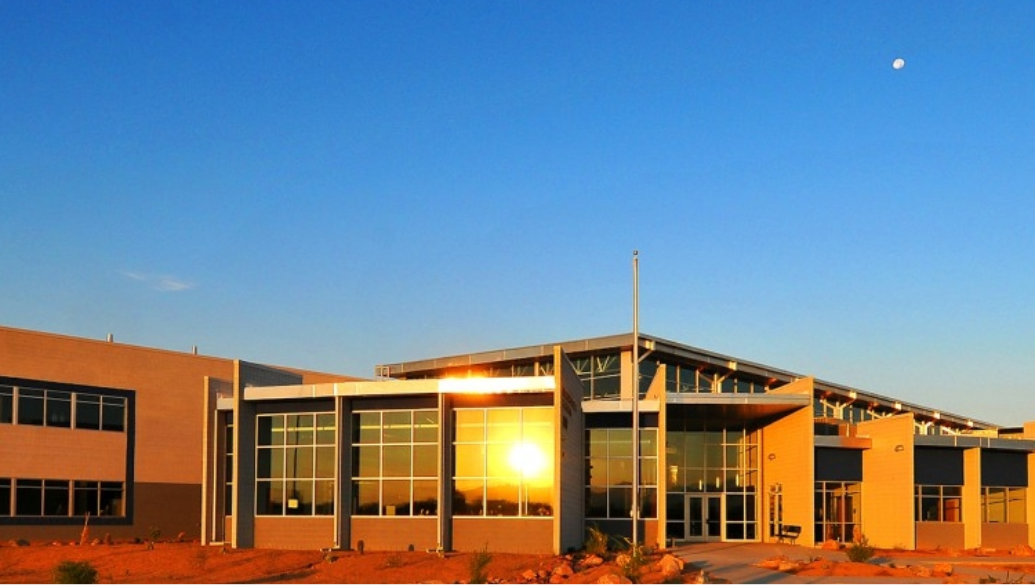
Common Wastewater Challenges for Schools

Navigating Stringent Discharge Limits
When school districts face low total nitrogen limits with no municipal sewer access, off-the-shelf systems often fail to meet requirements.
We specialize in advanced nutrient removal, such as combining textile filters with denitrification upflow filters. Our team has successfully worked with state agencies like CDPHE to gain approval for novel technical configurations that protect local groundwater.
Campus Expansion Without Replacing the Whole System
Adding new buildings usually means adding wastewater flow to a system that wasn’t sized for it.
IWS assesses existing infrastructure to identify what can be retained, designing expansions that handle the full campus load rather than just the new building’s contribution.
Budget Constraints and Value Engineering
School district capital budgets don’t have room for surprises.
IWS has a track record of finding cost savings without reducing performance. When cost is a constraint from the start, the design needs to reflect that.
Water Reuse and Sustainability Requirements
For districts facing permit conditions or sustainability mandates requiring treated effluent to be directed to irrigation rather than discharged.
IWS provides reclamation technology helping campuses achieve LEED certification and reduce freshwater demand.
Treatment Technology Built for School Applications
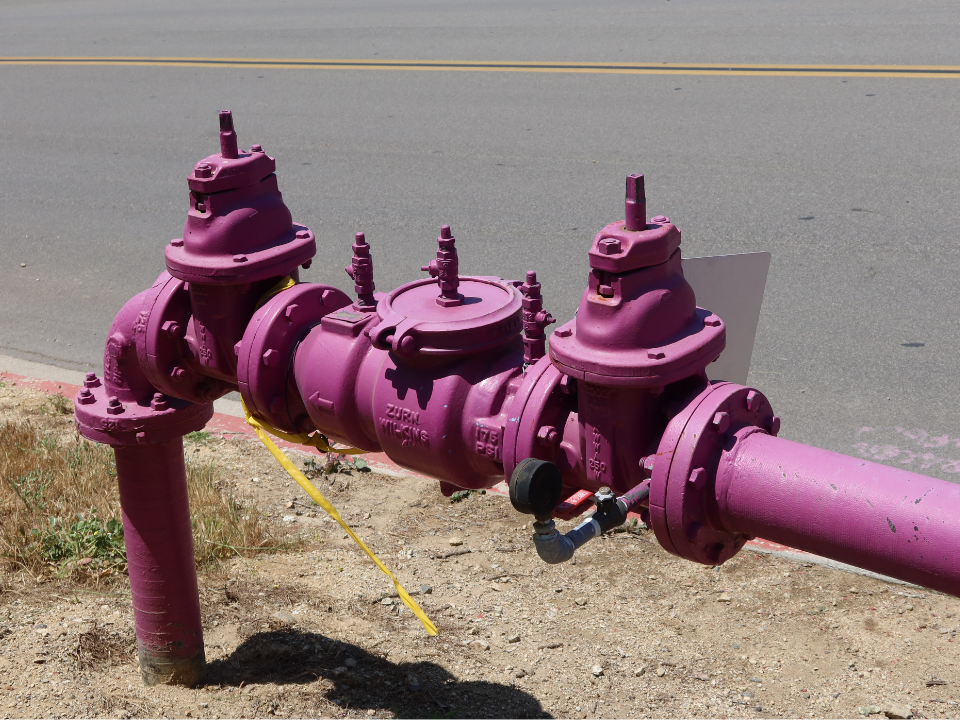
Treatment Technologies for School Applications:
- Advanced Nutrient Removal: We provide systems that achieve high-level denitrification without the need for constant chemical addition, successfully permitted through state environmental agencies in multiple jurisdictions.
- Water Reuse Systems: We design treatment systems that direct effluent to landscape or subsurface irrigation, ensuring compliance with local reuse standards.
- Membrane Bioreactor (MBR) Systems: For campuses requiring high-quality effluent in a compact footprint, IWS’s modular MBR lineup ranges from 25,000 GPD to millions of GPD, available for purchase, lease, or lease-to-own.
- Automation and Controls: IWS builds control systems in-house, including remote monitoring and alert notifications from a phone or laptop, reducing daily oversight requirements for facilities staff managing multiple campus responsibilities.
Why School Districts Choose IWS

School infrastructure is a public investment. The budget is fixed, and the timeline is dictated by the academic calendar, and the permitting agencies don't give extra credit for good intentions.
IWS provides the advanced technology and technical reliability necessary to protect public health and student safety. Talk to an IWS team member early enough to build the right system within the specified constraints.
We offer:
- Flexible Engineering Support: Choose the level of involvement that fits your project, from supporting your civil engineers to full specialty design.
- Proven School District Experience: IWS has completed projects for districts across the U.S., from small rural campuses to some of the largest districts in the country.
- Construction Management: IWS is a licensed general contractor with in-house engineering capability, offering construction management that compresses timelines and keeps design and construction accountability with one team.
- Rapid Emergency Response: If a water or wastewater system fails at an operating campus, IWS responds quickly to restore service and keep the facility in compliance.