














Integrating MBRs into Mixed-Use Developments
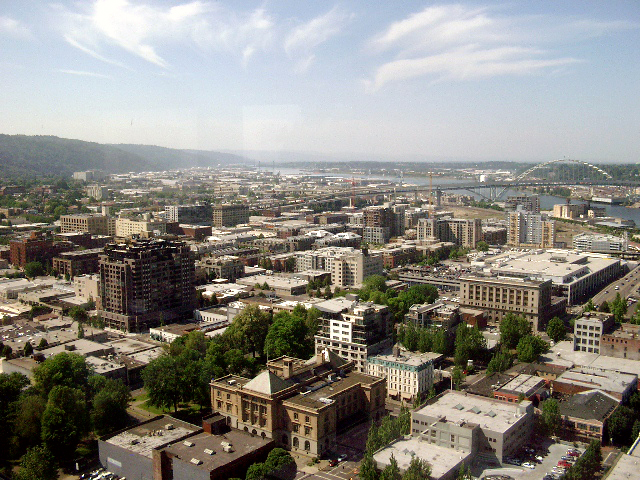
Mixed-use developments are popping up all across the U.S.; in cities large and small (and in rural areas), these are no longer fringe real estate projects. They’re the new normal. Think resorts that combine condos, restaurants, and retail; master-planned neighborhoods with clubhouses and office space; campuses that blend residential and commercial tenants within a broader community and land use plan.
But with that diversity comes a challenge few developers or private utilities think about until late in the design process: wastewater infrastructure and management.
The Challenge of Diverse Waste Streams
Unlike single-use facilities, mixed-use developments generate a cocktail of wastewater flows that behave very differently:
- Residential units contribute relatively steady domestic wastewater—moderate BOD, TSS, and nutrients.
- Restaurants and food courts introduce high-strength flows with fats, oils, and grease (FOG), detergents, and organics that can foul conventional clarifiers.
- Spas and gyms add surfactants, soaps, and high hydraulic peaks as users cycle through showers, pools, and treatment rooms.
- Commercial or office tenants add variable schedules, often tied to shift changes or event calendars.
Legacy lagoon systems or even extended aeration package plants struggle to cope with this variability. Clarifiers wash out during peaks, sludge volumes spike, and nutrient removal becomes unreliable—putting permits, public health, and property value at risk.
Why MBRs Are a Fit for Mixed-Use Projects
Membrane bioreactors (MBRs) are designed for exactly this type of complexity in development patterns. By combining biological treatment with ultrafiltration membranes, they deliver stable, reuse-quality effluent, even when influent is unpredictable.
Key advantages for mixed-use sites include, primarily, load flexibility. With mixed liquor suspended solids (MLSS) concentrations in the 8,000–12,000 mg/L range, MBRs can absorb spikes in organic strength or hydraulic surges without sacrificing effluent quality. That’s a game-changer for facilities with banquet events one day and low occupancy the next.
And consider FOG and surfactant tolerance. Pretreatment with grease traps or dissolved air flotation (DAF) units keeps membranes protected, while the MBR handles the biological breakdown downstream. The result: consistent compliance without relying on chemical crutches, which supports long-term sustainability.
Nutrient removal is another advantage at play. BNR-enabled MBRs hit stringent nitrogen and phosphorus limits, protecting sensitive receiving waters and aligning with environmental sustainability practices and emerging reuse regulations.
Mixed-use developments often reserve prime land for amenities and housing, not treatment plants. An MBR can achieve the same or better treatment in up to 75% less space than a CAS system, which supports efficient land use.
Practical Design Considerations
So, what’s the right move when planning an MBR integration? For engineering teams and private utilities, integrating this technology into a mixed-use community means addressing a few design priorities up front:
- Equalization Tanks: Even though MBRs handle flow variability well, upstream EQ tanks smooth banquet surges, storm inflow, or weekend spikes.
- Pretreatment Infrastructure: Grease interceptors for restaurants, lint traps for laundry facilities, and occasional DAF units prevent membrane fouling and reduce O&M headaches.
- Climate Resilience: In colder mountain or northern climates, MBRs maintain nitrifier populations with long sludge ages, but basin insulation or semi-buried installs may be needed for winter resiliency.
- Seasonal Flexibility: Resorts often shut down or slow occupancy in off-season months. MBRs can idle at reduced flow while maintaining biomass viability with minimal aeration—a critical advantage when demand drops but systems must remain compliant.
And when it comes to the actual operation, let’s be clear: Mixed-use communities don’t usually staff a full-time Class III operator at every plant. More often, private utilities are managing several facilities across a service area. That’s where automation matters.
Modern MBR setups allow a single licensed operator to monitor multiple systems from a tablet, tracking transmembrane pressure (TMP), adjusting dissolved oxygen (DO) setpoints, and responding to alarms without being on-site every day.
Real-World Outcomes
Picture a 0.25 MGD mixed-use development in a ski town. You’ll find that restaurants and perhaps a local brewery discharge high-strength wastewater Friday nights. Condos create steady but modest domestic flow. Seasonal peaks overwhelm nearby lagoons every winter as stormwater and I&I spike.
This might sound pretty typical. And challenging.
A modular MBR retrofit consolidates all flows into one compact, closed-loop system. Operators manage nutrient removal through automated SCADA controls, and solids yield is cut in half—reducing costly hauling through winding mountain passes. The effluent becomes reuse-ready for snowmaking, irrigation, or recharge, creating a sustainability narrative that developers can market to residents and guests.
“Modular” is a key word here, too: Most mixed-use communities don’t hit full build-out on day one. Occupancy grows in phases, and private utilities often acquire systems midstream. MBRs allow capacity to grow in lockstep with demand.
That 0.25 MGD footprint can expand its wastewater capacity with parallel trains or modular skids, without re-engineering the entire site. That keeps CapEx aligned with revenue, reduces upfront exposure, and gives utilities confidence they can meet tomorrow’s flows without over-investing today.
The Bottom Line
Mixed-use communities thrive on diversity, but that diversity complicates wastewater. For private utilities and developers, the choice is clear: legacy systems strain under variable loads, while MBRs deliver compliance, flexibility, and resilience in a single package.
The right treatment plant future-proofs the development against tomorrow’s regulatory, environmental, and economic growth pressures while supporting sustainability, public space planning, and overall community health.