















Keeping Wastewater Facilities Running During a Power Outage
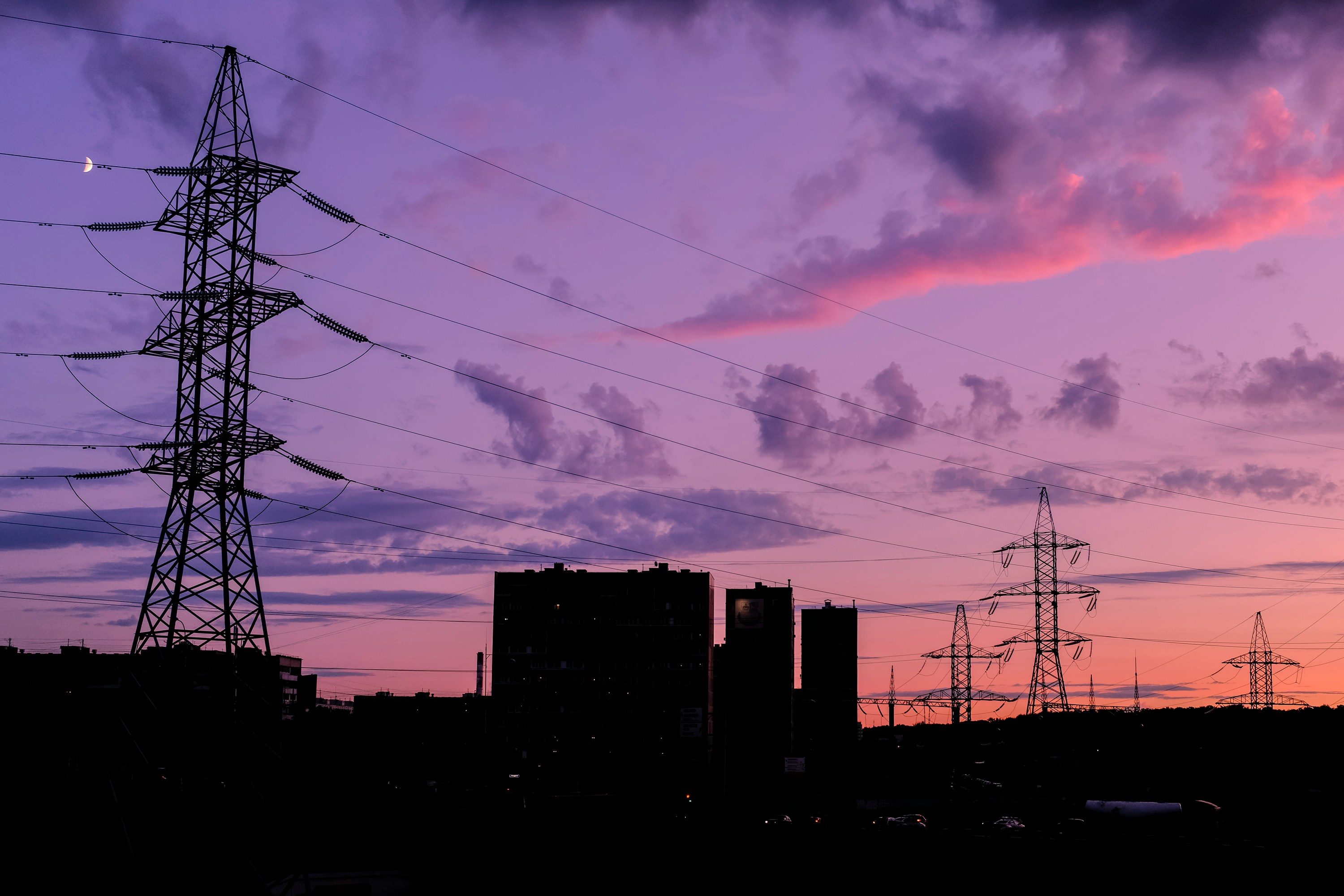
Power outages aren’t just a headache for wastewater treatment plants—they’re a direct threat to operations, compliance, and public health.
Whether it’s a hurricane, an ice storm, or a sudden grid failure, losing power means losing control over pumps, aerators, and the biological processes that keep treatment systems running. And when that happens, things can spiral fast: mechanical damage, permit violations, emergency discharges, and costly downtime.
Without preparation, wastewater treatment facilities risk uncontrolled discharges, environmental violations, and costly equipment failures.
Planning for power resilience requires a multi-layered approach, incorporating robust backup power solutions, automated system protections, and a well-trained response team.
-
Keeping Control Systems Online with Uninterrupted Power
At the heart of every treatment plant is a control system—the Programmable Logic Controller (PLC) and SCADA interface that keep everything running. But if those systems go dark, the whole plant is in trouble.
Once the PLC goes off, everything has to reboot. And sometimes, not everything comes back up. It’s a tricky and urgent situation, especially when dealing with a power outage during an extreme weather event.
That’s why every facility should have an Uninterruptible Power Supply (UPS) to keep critical controls live during a power loss. A UPS bridges the gap between grid failure and generator startup, preventing system resets and lost data.
Todd Brunetti, VP of Business Development and Infrastructure at Integrated Water Services (IWS), emphasizes that built-in redundancies are critical.
“For all of our projects, we design in backup power in multiple fashions,” he says. “We’ll run a UPS in all of our control panels to make sure that when [power outages occur], the critical infrastructure that is the brains of the plant stays live.”
-
Generators: Right-Sized and Ready to Go
A backup generator is only as good as its capacity. If it’s undersized, the facility won’t get the power restoration it needs. If it’s overloaded during startup, it can fail when it’s needed most.
“We size the generators at 80%—so 100% of our load is only 80% of the generator’s capacity,” Brunetti says. “That leaves 20% for critical overload, inrush current, and emergency situations.”
Why does that matter? Because when electrical power comes back online, pumps, aerators, and other systems all try to restart at once. Without that extra protection in the form of a capacity buffer, the generator could trip offline, causing cascading failures.
Another crucial factor: automatic transfer switches (ATS). Some plants still rely on manual generator connections, meaning someone has to be on-site, wheel the generator over, plug it in, and fire it up. That’s a massive risk in an emergency.
“Some of the older facilities just have a plug for a generator, meaning they have to tow a generator out, manually connect it, and then fire the main disconnect,” said Brunetti. “That’s a huge risk in an emergency situation.”
Upgrading to automatic transfer switches eliminates that problem—switching seamlessly from grid to generator without requiring human intervention.
-
Preventing System-Wide Failures During an Outage
As noted earlier, the problems of power loss extend beyond mechanical issues. Think about your biological treatment systems. If your facility is not prepared to navigate a serious power outage, the recovery process can be brutal.
When pumps, aerators, and other equipment shut down, they don’t always start back up in an orderly way. If everything tries to restart at once, motors overheat, breakers trip, and systems fail. That’s why wise wastewater plants program delays into PLCs—staggering restarts to prevent electrical overloads.
“When power drops off, the system may engage multiple pumps at a time to compensate for fluid transfer loss… [so] we program delays into PLCs to prevent simultaneous restarts and avoid electrical overload,” Brunetti says.
Want to get in contact with Integrated Water Services?
Let us know how we can serve your business.
Another risk? Power surges. If voltage spikes when the grid comes back online, it can fry electrical systems.
“We install a measuring mechanism that monitors voltage stability before re-engaging the plant. We don’t want to hit a facility with high voltage or power surges,” he adds.
These automated protections help facilities avoid costly failures when the power flips back on.
-
Cold Weather and Extreme Conditions: Protecting Infrastructure
When extreme cold hits, wastewater plants face an entirely different set of challenges. Frozen pipes, cracked pumps, and damage to infrastructure can bring operations to a standstill.
“The biggest difference in a Texas-type situation is response ability. People aren’t equipped for it, roads aren’t plowed, emergency crews can’t respond, and infrastructure isn’t built for it,” Brunetti says.
Here’s how plants can prepare:
- Insulate Above-Ground Pipes: Don’t overlook this cost in your design and construction. In one anecdotal example, a facility in Texas opted not to insulate their pipes to save $75,000. When the freeze hit, every above-ground pipe burst.
- Use Heat Tracing: Electric heating elements keep pipes from freezing solid.
- Protect Electrical Cabinets: Moisture and freezing temperatures can short out control panels. “All of theelectrical control cabinets in our projects have their own climate control units. Water and electricity don’t mix,” Brunetti says.
-
Training and Emergency Planning: Your Best Defense
Technology alone isn’t enough. When the grid fails, wastewater plants need teams to be up to date on the latest safety tips so that they know exactly what to do.
“The basics exist for a reason,” Brunetti says. “You need to train your staff regularly, make sure they understand safety features, and know how to operate backup systems.”
What does that look like?
- Routine Generator Testing: Generators should be tested under full load—not just started up empty.
- Cross-Training Staff: Every operator should know how to switch to backup power, restart critical systems, and troubleshoot failures.
- Stocking Emergency Equipment: Snow removal tools, spare parts, backup lubricants, and emergency lighting should be on-site and ready to go.
A well-trained team reacts immediately when disaster strikes.
The Bottom Line: Prepare Now or Pay Later
Extreme weather and power failures aren’t “if” scenarios. They’re “when.”
And when wastewater treatment plants aren’t prepared, the fallout is severe—uncontrolled discharges, compliance failures, costly downtime, and public health risks.
“Public health and safety should be the priority,” Brunetti says. “You need to think ahead, train your team, and make sure your systems are built for resilience.”
The choice is clear. Wastewater facilities that invest in extra protection now will be the ones still standing when the next extreme weather event hits. The ones that don’t? They’ll be left scrambling.
If your facility needs to upgrade backup power systems, implement real-time SCADA monitoring, or deploy mobile treatment units, IWS can help. Let’s make sure your plant stays online—no matter the conditions.
***
Todd Brunetti
Vice President of Business Development and Infrastructure
Todd Brunetti is the Vice President of Technical Services at Integrated Water Services, bringing nearly three decades of experience in building and operating water and wastewater systems. Over the years, he has held a variety of roles, including pipe-layer, equipment operator, plant operator, estimator, cross-connection control specialist, operations manager, and senior project manager. Todd has been involved in the design, construction, and operations of water and wastewater treatment facilities across North America.
Todd has leveraged his industry experience to drive operational and design improvements, resulting in more user-friendly and technologically advanced systems. His goal is to consistently design and build the most innovative and sustainable treatment solutions for the environment, with a focus on operational efficiency.
Todd has held operational licenses in water distribution, backflow prevention, wastewater collections, surface water treatment, wastewater treatment, and land application in California, Nevada, Idaho, and Washington.
Outside of work, Todd is a passionate car enthusiast who enjoys attending car shows and spending time with friends and family over coffee. His family plays a central role in his life, often joining him in his leisure activities. When he has the opportunity, Todd also loves fly fishing in the rivers and streams of the Pacific Northwest.