
















What Private Utilities Need to Know About Nutrient Loading and Eutrophication
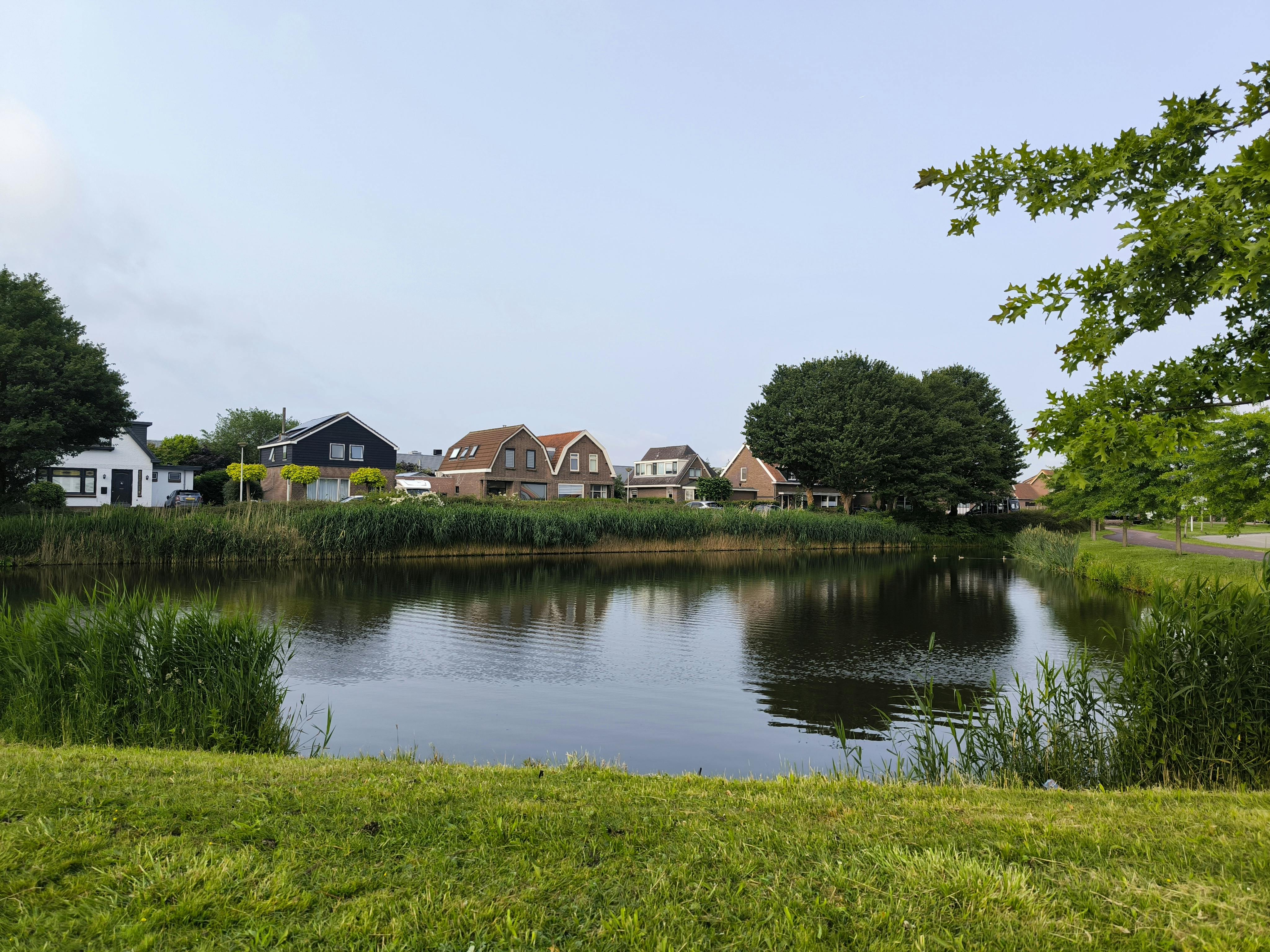
For private utilities, discharging wastewater isn’t a one-size-fits-all process. If your facility serves a resort, a golf course, a residential community, or a mixed-use development, you’re likely discharging into smaller, localized water bodies (creeks, ponds, wetlands), not large rivers or oceans. And while these ecosystems are beautiful they’re also incredibly vulnerable to nutrient loading and eutrophication.
The challenge: older sewage treatment systems simply weren’t designed for today’s strict nutrient removal thresholds. When you, as a private utility, enter the picture, it might be time to prioritize infrastructure upgrades. And when it’s time to upgrade, Biological Nutrient Removal (BNR) is a necessity.
Why Eutrophication Hits Private Utilities Harder
Eutrophication is the slow-motion ecological collapse caused by excess nitrogen and phosphorus. Nutrient-rich wastewater effluent feeds harmful algae blooms, which starve the water of dissolved oxygen. Fish die, odor problems spike, and the water body that once boosted property values becomes a liability.
This is an environmental concern, yes, but it’s also a real business risk.
- Tighter permits: Once a waterbody becomes impaired, regulators impose new restrictions. This means smaller permit limits, more frequent sampling requirements, and a greater risk of enforcement.
- Reputation Damage: A green, smelly pond or creek is a visible problem that residents and visitors will notice. And they’ll talk. This can quickly erode property values and the reputation of the entire development.
- Costs go up: More testing, more hauling, more chemicals, and in some cases, emergency retrofits.
The challenge: Older sewage treatment systems or extended aeration plants simply weren’t designed for nutrient removal at today’s regulatory or environmental thresholds.
Biological Nutrient Removal (BNR) Is a Must
BNR is the process of using specific microbial communities to biologically remove nitrogen and phosphorus from wastewater. It replaces chemical dosing with biological transformation: ammonia becomes nitrogen gas; phosphorus is taken up into the biomass and wasted out.
But not every treatment system supports BNR well.
Many older conventional activated sludge (CAS) systems struggle with process stability, temperature sensitivity, and the long sludge ages required for efficient nutrient removal.
Membrane Bioreactor (MBR) systems, on the other hand, are uniquely suited for BNR.
High MLSS (Mixed Liquor Suspended Solids) levels—often 8,000–12,000 mg/L—allow for smaller tanks and longer sludge ages. No reliance on clarifiers means no settling limitations, so you can grow the slow nitrifiers without fear of washout.
And tighter process control supports simultaneous nitrification-denitrification and more consistent phosphorus removal.
With MBRs, utilities can hit stringent nutrient discharge limits in a smaller footprint, with greater operational stability—even in cold climates or seasonal-use applications.
Smaller Discharge, Bigger Impact
When a private utility discharges to a 50-acre pond or a meandering creek, the stakes are higher per gallon. A small 0.25 MGD plant with subpar nutrient removal technologies.might have a far greater negative impact than a 25 MGD regional facility discharging into a vast river system. In these smaller receiving waters, there’s little dilution and almost no margin for error.
Designing for nutrient removal is ultimately about stewardship (and, yes, compliance, too.). And in many cases, it’s about protecting the very features that make a development successful in the first place.
Real-World Outcomes: How MBRs Reduce Nutrient Risk
MBR systems operating with BNR functionality routinely produce treated wastewater with remarkably high-quality parameters:
- 3 mg/L TN (Total Nitrogen)
- <0.13 mg/L TP (Total Phosphorus)
This is more than good enough for most surface water discharge permits, and it future-proofs your system against potential TMDL listings, nutrient pollution challengers, or nutrient trading market shifts.
Add in MBR’s other advantages—reduced solids hauling, higher reuse potential, and smaller site requirements—and you have a system built not just for compliance, but for long-term risk management.
The Bottom Line
If your development relies on water features, natural aesthetics, or local wildlife as part of its value proposition, your utility has more to lose from nutrient overload. Eutrophication control isn’t just a problem for the big lakes. It’s a creeping risk that hits smaller systems hardest—and often, first.
At IWS, we specialize in helping private utilities design, build, and operate advanced wastewater treatment systems that address nutrient loading head-on. If your plant is due for an upgrade, contact us today to learn how an MBR-based BNR system can protect your permit, your residents, and your reputation.