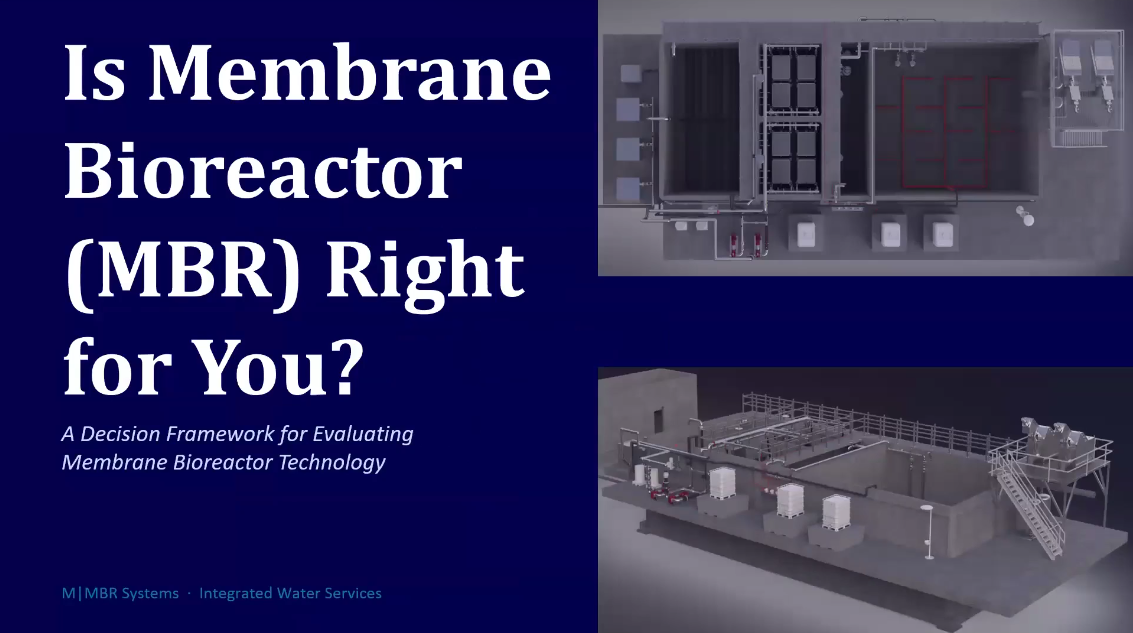















A Decision Framework for Evaluating Membrane Bioreactor Technology
As effluent limits tighten, urban infrastructure ages, and space becomes increasingly scarce, more utilities are asking whether it’s time to consider MBR treatment.
Join Chintan Parikh, PE of MMBR Systems for a practical, technical walkthrough of when MBR makes sense, how it compares to conventional treatment, and what it takes to run one successfully. Using real project examples, Chintan breaks down the fundamentals of membrane filtration, the drivers pushing utilities toward MBR, and the operational discipline required to keep a system performing long-term.
What You Will Learn:
- The Case for MBR: How tightening nutrient limits, urbanization pressure, water reuse demand, and the need for operational resilience during storm events and shock loads are driving utilities to reconsider their treatment technology.
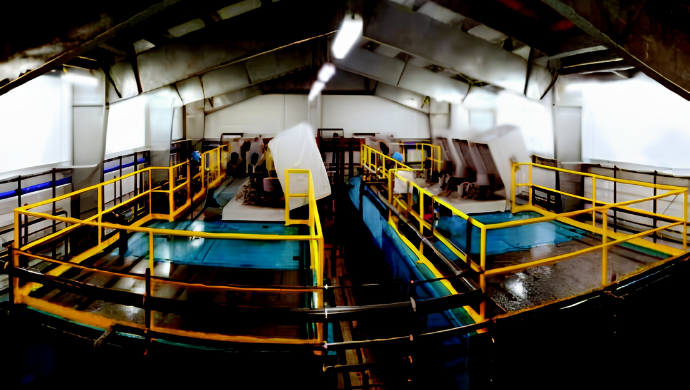
- MBR Fundamentals: The mechanics of membrane filtration — ultrafiltration vs. microfiltration, flat sheet vs. hollow fiber configurations, air scour, and fouling control — and how physical separation compares to conventional clarifier-based systems.
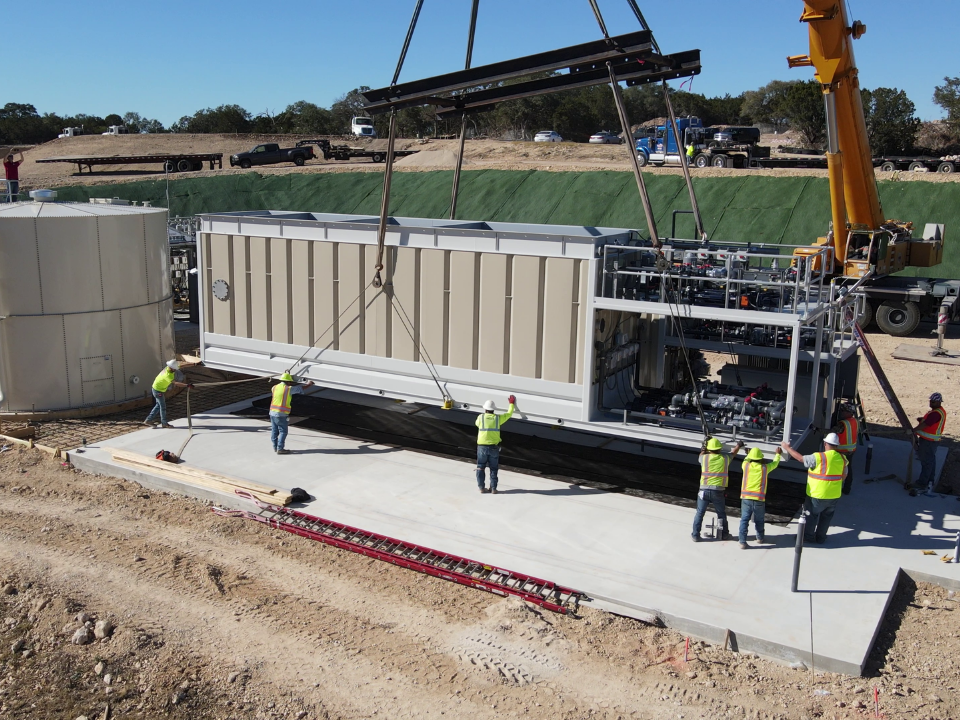
- Performance & Footprint Comparison: A side-by-side look at effluent quality, footprint reduction (up to 50%), wet-weather resilience, and the energy and capital cost trade-offs between MBR and conventional activated sludge, SBR, and MBBR systems.
- Operational Best Practices: The keys to reliable long-term MBR performance, including biological process control, effective fine screening, optimized air scour, and cleaning regimes — plus how to evaluate life cycle cost (CapEx and OpEx) when selecting a treatment technology.