














Harnessing Wastewater Reuse and Recycling: Driving ESG Progress in the Food and Beverage Industry
In today’s global landscape, the broader environment is part of your business, too. The intersection of sustainability and corporate responsibility is a focal point for industries aiming to mitigate environmental impact while fostering social and economic growth. Among the sectors at the forefront of this movement is the food and beverage industry.
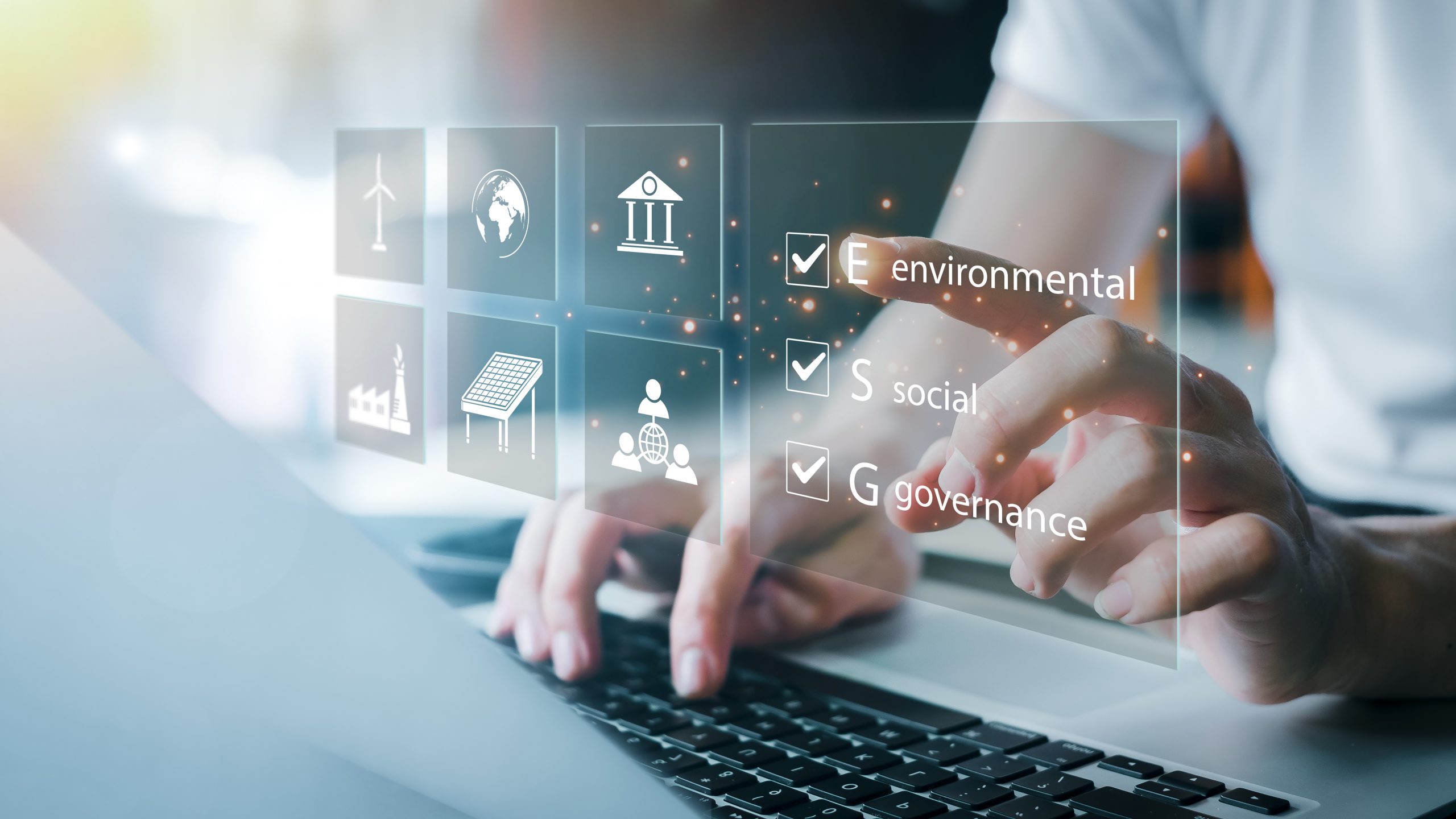
As companies strive to strengthen their Environmental, Social, and Governance (ESG) initiatives, one potent catalyst emerges—wastewater reuse and recycling.
The Imperative of Wastewater Management
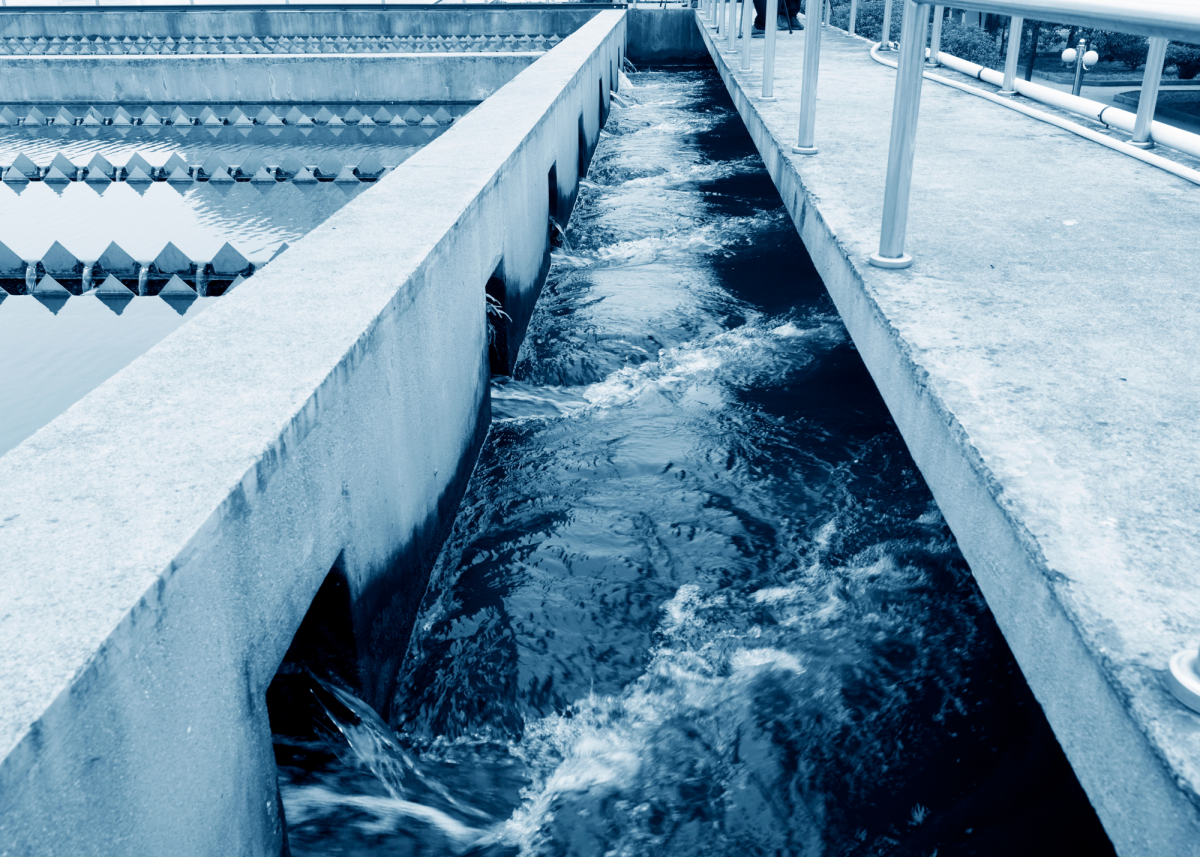
The food and beverage industry is a significant contributor to water consumption and wastewater generation. From production processes to cleaning and sanitation, water usage is integral to operations. However, this reliance on water often results in significant wastewater discharge, posing environmental challenges if not managed effectively.
Enter wastewater reuse and recycling—an innovative approach that holds immense promise for transforming the food and beverage industry’s ESG outlook.
By rethinking wastewater as a valuable resource rather than a disposable byproduct, companies can unlock benefits that extend beyond environmental stewardship.
These benefits include:
-
- Reducing Your Water Footprint
-
- Supporting Your Local Community
-
- Ensuring Long-Term Viability
Environmental Impact – Reducing Water Footprint
The foremost advantage of incorporating wastewater reuse and recycling in the food and beverage industry is the substantial reduction in water consumption. This has a compounding effect. By treating and repurposing wastewater within their operations, companies can mitigate strain on local water sources and minimize their overall water footprint.
While compliance with local discharge permits will mandate that food and beverage companies remove contaminants from wastewater, an ESG-centered approach takes this metric further. ESG goals might insist on long-range sustainability benchmarks or a certain degree of transparency in the removal of contaminants. For the company overseeing this process, hitting those types of goals can turn into a broad base of assets (greater access to capital, greater trust in the local community, and a diminished water footprint, which can benefit other areas of the business).
Additionally, the adoption of advanced treatment technologies enables the removal of contaminants from wastewater, thereby safeguarding ecosystems and preserving water quality. This proactive approach not only aligns with environmental regulations but also enhances corporate sustainability goals.
Take for example, the use of MBR technology.
As mentioned in our earlier blog found here, the purified effluent from MBR can be reused for primary rinsing of processing equipment, ensuring compliance with sanitation standards. Additionally, it can facilitate efficient wash down processes without the risk of contamination. Furthermore, in agricultural settings, the treated water can be safely applied to land, contributing to sustainable irrigation and dust control practices.
Social Responsibility – Supporting Communities
Beyond environmental considerations, embracing wastewater reuse aligns with social responsibility by contributing to community well-being.
By efficiently managing water resources, companies reduce their impact on local water supplies, ensuring a more equitable distribution of this vital resource. Moreover, some initiatives involve engaging local communities in water stewardship programs, fostering education, and raising awareness about responsible water usage.
Governance and Long-Term Viability
Integrating wastewater reuse and recycling into ESG strategies also bolsters corporate governance and long-term viability.
Companies that proactively manage their environmental impact tend to exhibit better risk management practices, demonstrating resilience against resource scarcity and regulatory changes. (Imagine: A food producer insists on sourcing ingredients from sustainable farmers. This one decision can potentially buffer the company against broader climate change or crop disease issues. Same with wastewater reuse: A clear ESG-centered policy will go a long way toward ensuring a stable and secure water supply.)
Furthermore, investors and stakeholders increasingly prioritize sustainable practices.
Embracing wastewater reuse not only enhances a company’s reputation but also signifies a commitment to resilient and forward-thinking business practices, attracting socially conscious investors and partners.
Challenges and Opportunities Ahead
While the benefits of wastewater reuse and recycling in the food and beverage industry are significant, challenges persist. Initial investment costs, technological barriers, and regulatory complexities may deter some companies. However, the evolving landscape offers ample opportunities for innovation, collaboration, and cost-effective solutions.
Collaborations among industry players, technology providers, and policymakers can foster a supportive ecosystem for advancing wastewater reuse initiatives. Moreover, governments and regulatory bodies play a pivotal role in incentivizing and streamlining the adoption of sustainable practices through subsidies, tax benefits, and clear guidelines.
The Pivotal Enabler
Wastewater reuse and recycling stand as critical enhancers for driving comprehensive ESG progress within the food and beverage industry.
Beyond mere compliance, they represent a proactive step towards sustainability, resource optimization, and community engagement. As companies increasingly recognize the interconnectedness of environmental preservation, social responsibility, and corporate governance, leveraging wastewater as a valuable resource becomes not just a choice but a strategic imperative in fostering a resilient and responsible business ecosystem.
The journey toward comprehensive sustainability may present challenges, but the transformative potential of wastewater reuse offers a compelling pathway for companies to enhance their ESG initiatives while making a tangible difference in the world.
This was the final in our four-part series. See Modular Wastewater Treatment: Fueling Sustainability in Food & Beverage for Part one.
Visit Advanced Wastewater Treatment Technologies in the Food & Beverage Industry for Part two.
Visit https://integratedwate.wpenginepowered.com/navigating-evolving-wastewater-regulations-in-the-food-and-beverage-industry/ for Part three.
We’ll take a short break for the holidays and see you back in 2024. We wish you good health and prosperity in 2024!
Ready to learn more about how we can help you upgrade your facility or start your build-out? Talk to an expert today!
Want to learn more? Read some of our similar articles:

Sign up for the Integrated Water Services newsletter.
We share important perspectives and news on MBR wastewater treatment every two weeks.